
Terminal Management System For SoftPoS
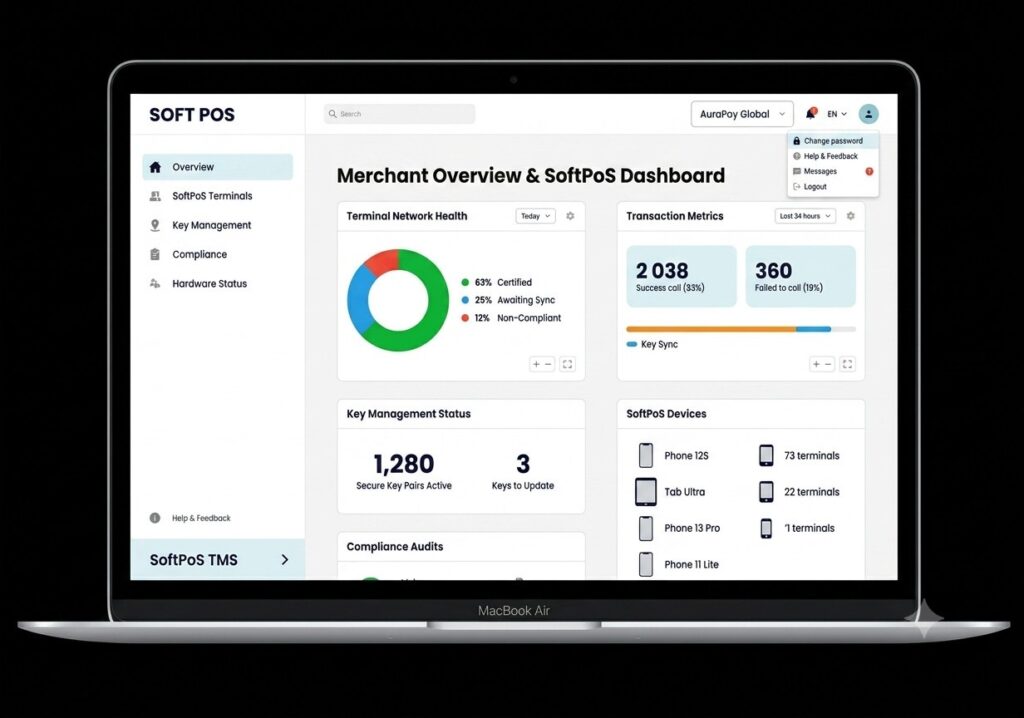
As digital payment ecosystems continue to evolve, organizations are deploying thousands of SoftPoS-enabled smartphones and Android payment devices across multiple regions. Managing these devices individually is inefficient, expensive, and introduces operational as well as security risks. Businesses require a centralized platform capable of monitoring, configuring, updating, and securing every payment endpoint from a single dashboard. […]
OTA Updates for SoftPOS TMS
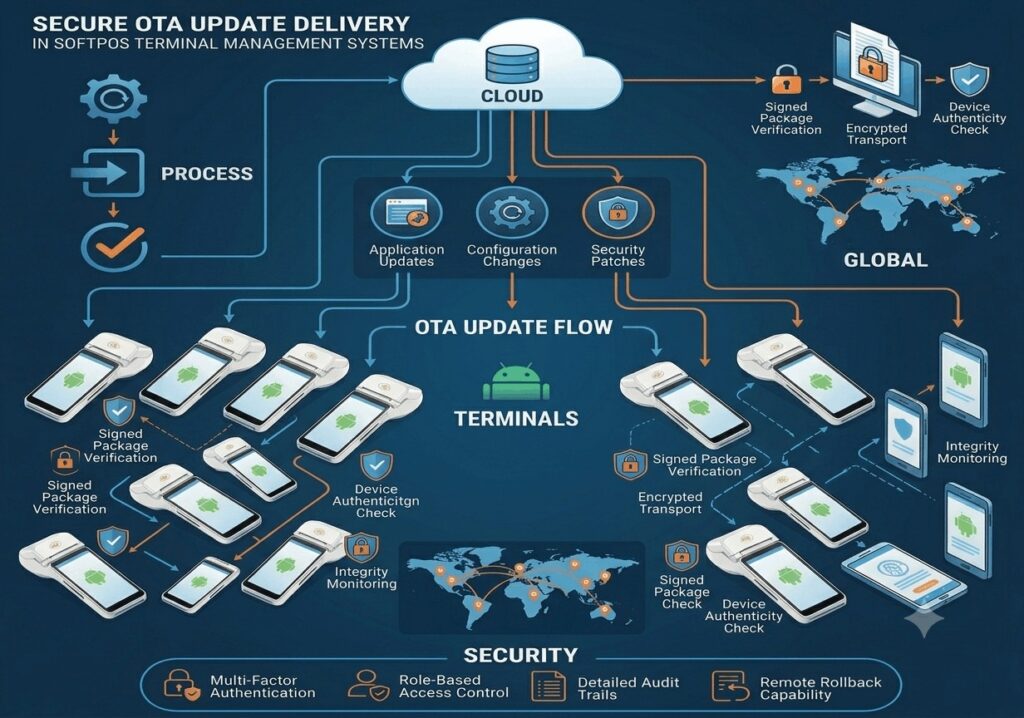
The payment industry is evolving rapidly, requiring payment applications to continuously adapt to new security requirements, regulatory standards, EMV specifications, and customer expectations. Businesses deploying SoftPOS solutions must regularly update payment applications, security certificates, configuration files, and operating system components without disrupting merchant operations. Manually updating hundreds or thousands of Android payment devices is both […]
Remote Key Injection for SoftPOS TMS
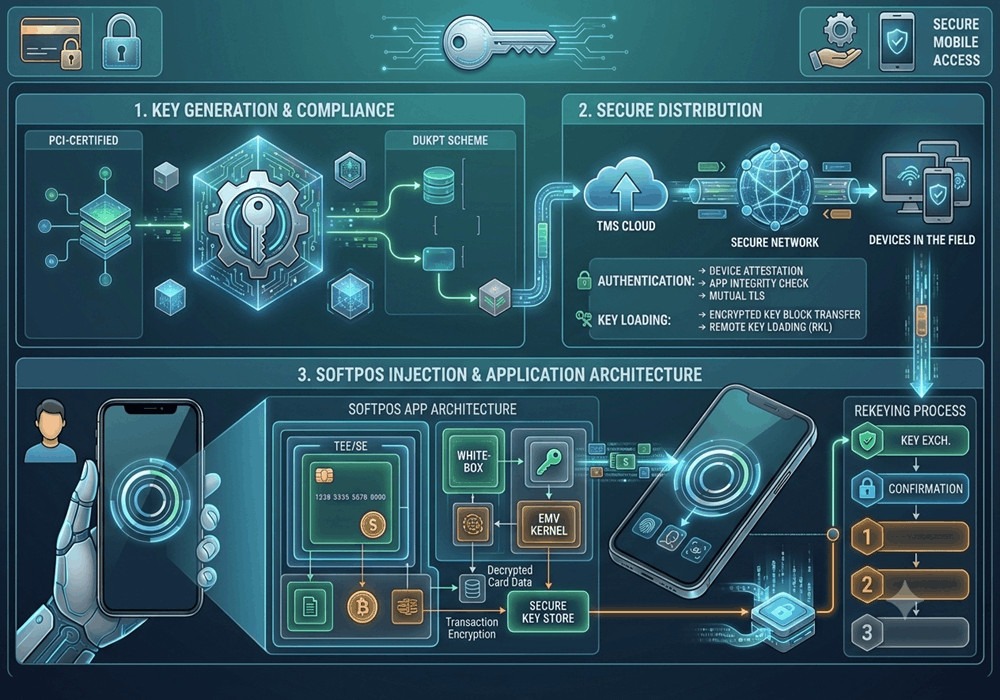
The rapid adoption of SoftPOS (Software Point of Sale) has transformed smartphones and Android devices into secure payment acceptance terminals. Instead of relying on traditional POS hardware, merchants can now accept contactless card payments directly on NFC-enabled mobile devices. However, one critical question arises: How are sensitive payment encryption keys securely delivered to thousands or […]
SoftPOS Security
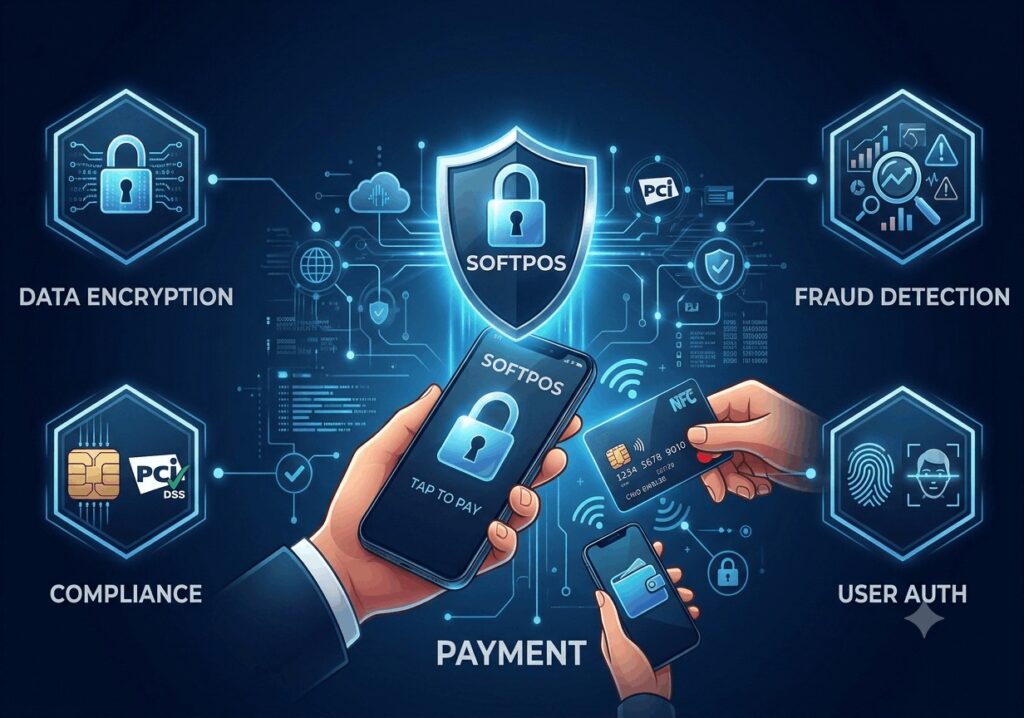
The digital payments landscape has evolved rapidly over the past decade, with businesses increasingly adopting contactless payment technologies to provide faster, more convenient, and secure customer experiences. One of the most significant innovations in this space is SoftPOS (Software Point of Sale), which enables merchants to accept contactless card payments directly on NFC-enabled Android smartphones […]
SoftPOS API Integration: The Backbone of Secure Digital Payments
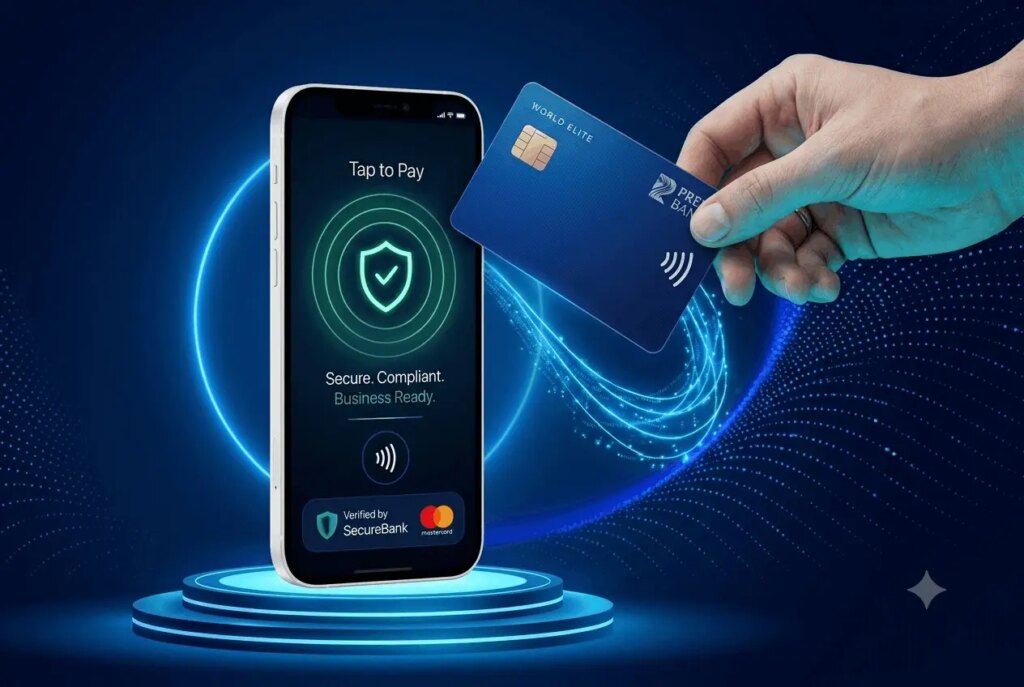
The payment industry is rapidly moving toward contactless, mobile-first, and software-driven payment experiences. Businesses are increasingly adopting SoftPOS (Software Point of Sale) technology to transform NFC-enabled smartphones and tablets into secure payment acceptance devices without relying on traditional POS hardware. SoftPOS allows merchants to accept payments through contactless cards, mobile wallets, smartwatches, and wearable devices […]
SoftPOS and Banking System Integration
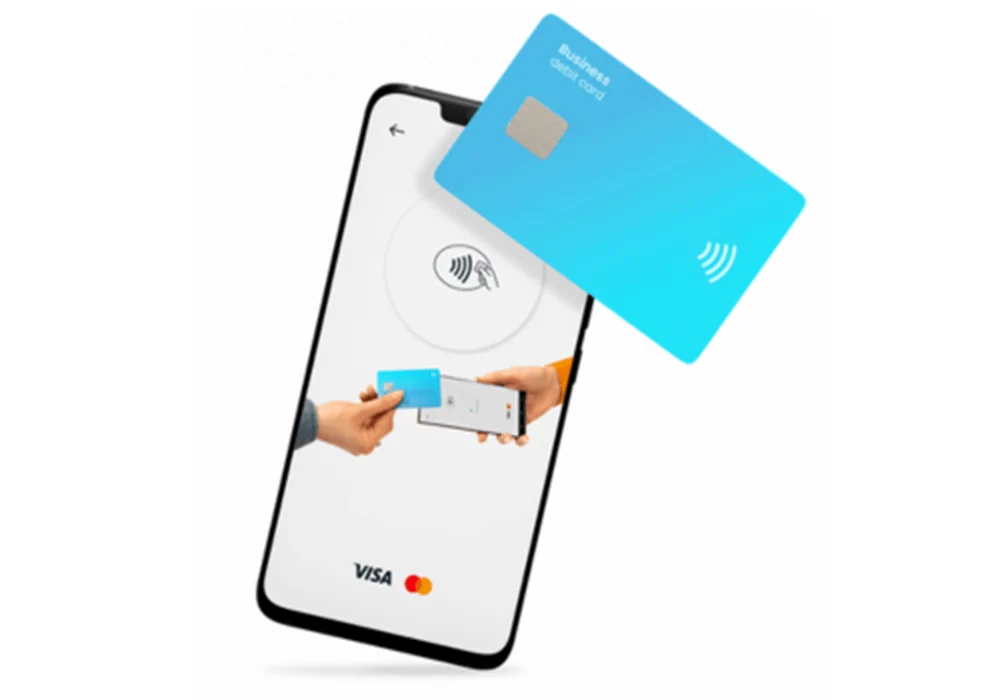
A successful SoftPOS (Software Point of Sale) solution requires a highly secure and scalable architecture that goes beyond a simple mobile payment application. It requires seamless integration between multiple components, including the SoftPOS application, EMV Kernel, API Gateway, acquiring platforms, banking systems, payment networks, fraud management engines, settlement platforms, and analytics infrastructure. Each layer performs […]
Why a RuPay Certified POS Terminal Is Not Enough for NCMC Acceptance
In India’s rapidly evolving digital mobility and transit ecosystem, the National Common Mobility Card (NCMC) has become a critical component for enabling seamless payments across metro rail, buses, parking, toll collection, retail, and smart city services. Many transit operators assume that a RuPay-certified POS terminal automatically supports NCMC transactions, but this is not true. A […]
SDA vs DDA vs CDA in EMV Certification

Understanding the Importance of Offline Data Authentication in EMV Payment Systems In the continuously evolving landscape of payment technologies, where the global financial ecosystem increasingly relies on secure, reliable, and interoperable card-present transaction systems, EMV, which stands for Europay, Mastercard, and Visa, has emerged as the globally recognized standard for chip-based card authentication, encompassing a […]
Issuer Script Processing in EMV L3 Certification

Issuer Script Processing plays a pivotal role in ensuring the dynamic and secure management of payment cards,
PIN Entry Device Security in EMV L3 Certification
A PIN Entry Device (PED) is a critical component in EMV-based payment terminals, responsible for securely capturing and encrypting a cardholder’s Personal Identification Number (PIN) during a transaction. PED security ensures that sensitive cardholder data is protected against theft, tampering, or fraud. In the EMV ecosystem, PEDs are tightly regulated and must comply with EMVCo […]