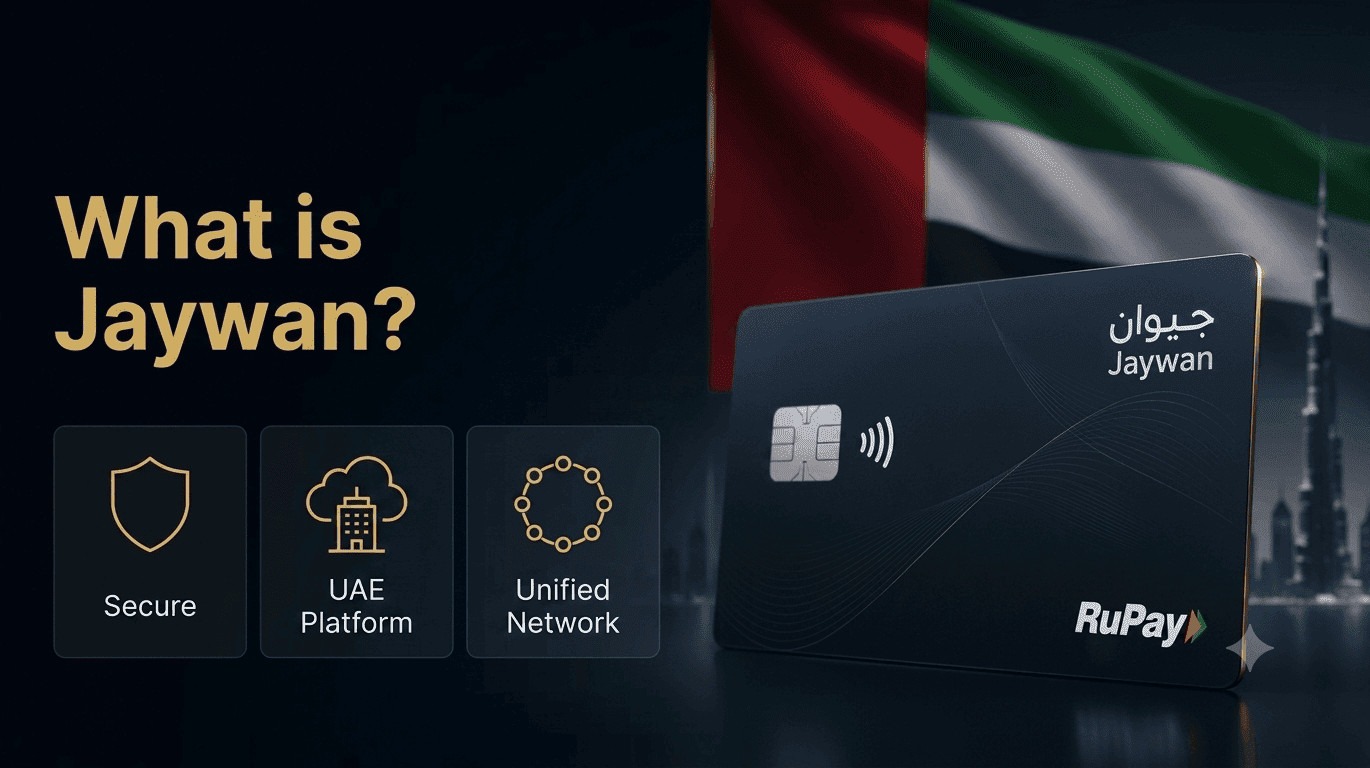
What Is Jaywan Card?
Jaywan is the United Arab Emirates’ first domestic payment card scheme, launched by Al Etihad Payments (AEP), a subsidiary of the Central Bank of the UAE (CBUAE). It lets banks and payment providers route eligible domestic transactions through a nationally governed network instead of relying solely on international card schemes. Jaywan supports debit cards, prepaid programs, government disbursements, EMV chip and contactless (NFC) payments, ATM withdrawals, e-commerce, and mobile wallets.
Jaywan works alongside not instead of global networks like Visa and Mastercard, similar to how RuPay operates in India, Mada in Saudi Arabia, Troy in Türkiye, and UnionPay in China.
For banks, PSPs, fintech companies, acquirers, and POS terminal manufacturers, Jaywan opens new product and integration opportunities. But supporting it requires EMV-compliant infrastructure, certified payment kernels, and terminal management capability. This guide breaks down how Jaywan works, why it exists, and what’s required to build Jaywan-ready payment solutions — with guidance from EazyPay Tech’s payment engineering team.
Why the UAE Introduced Jaywan
The UAE’s push toward a fully digital economy meant its payment infrastructure needed to be locally governed, scalable, and secure — not entirely dependent on international rails for domestic transactions. Jaywan was built to close that gap.
Its core objectives:
- Strengthen national payment infrastructure and payment sovereignty
- Expand financial inclusion through accessible digital payments
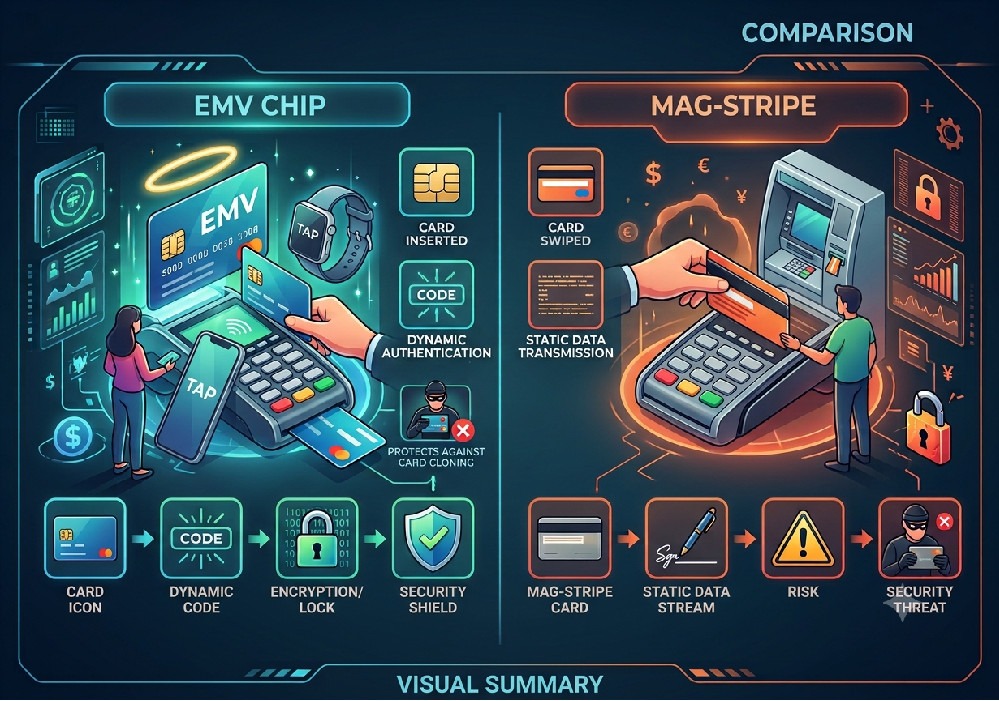
- Raise transaction security through EMV standards
- Lower processing costs for domestic transactions
- Give banks and fintechs a platform to launch localized card products
- Support the UAE’s broader cashless economy strategy
- Enable interoperability across POS, ATM, e-commerce, and wallet channels
For consumers, that means faster, more secure payments. For financial institutions, it means a new domestic rail to build products on.
How a Jaywan Transaction Works, Step by Step
- A customer taps or inserts a Jaywan card, or pays via a Jaywan-enabled wallet.
- The merchant’s POS terminal, SoftPOS app, ATM, or e-commerce checkout accepts the payment.
- The device processes the EMV chip or NFC contactless transaction securely.
- The acquiring bank routes the transaction through the Jaywan network.
- The issuing bank authorizes it.
- The merchant gets confirmation, and settlement completes domestically.
This flow keeps transaction processing within the UAE’s own infrastructure while remaining compatible with the broader payments ecosystem.
Who Benefits From Jaywan — and How
Banks can launch domestic debit and prepaid card programs, support government payment initiatives, and improve processing efficiency.
Payment Service Providers (PSPs) can add Jaywan acceptance to acquiring platforms so merchants accept it alongside international schemes.
Fintech companies can build wallets, apps, and merchant acceptance tools on top of Jaywan’s infrastructure.
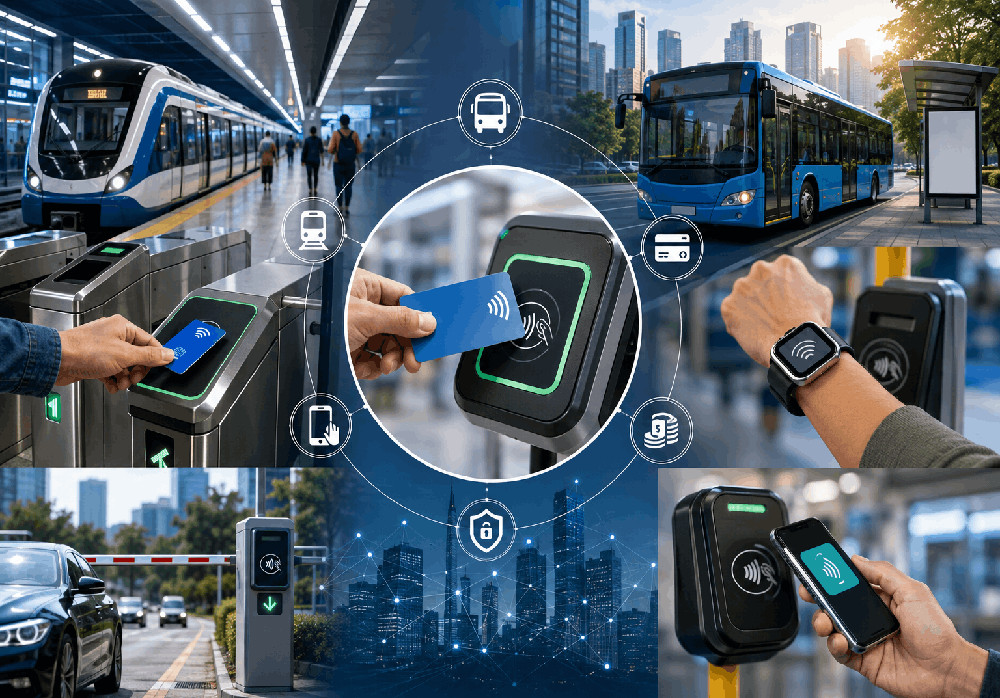
Merchants — retail, hospitality, healthcare, transport, and government — gain another secure, low-cost payment option as acceptance expands nationwide.
Jaywan vs. Visa/Mastercard: What’s the Difference?
Does Jaywan replace Visa or Mastercard? No. Jaywan is a complementary domestic scheme, not a global replacement.
Feature | Jaywan | Visa / Mastercard |
Primary focus | Domestic UAE transactions | Global payments |
Governed by | Al Etihad Payments (CBUAE) | International networks |
Local infrastructure | Yes | Limited |
EMV chip support | Yes | Yes |
Contactless / NFC | Yes | Yes |
ATM transactions | Yes | Yes |
E-commerce support | Yes | Yes |
Merchant acceptance | Expanding across UAE | Global |
Most banks will support both Jaywan and international schemes so customers get seamless payments locally and abroad.
Technical Requirements for Jaywan Acceptance
Financial institutions and terminal providers need infrastructure that meets modern security and interoperability standards, including:
- EMV Level 1 hardware compliance
- EMV Level 2 contact and contactless kernel(EMV Kernel)
- EMV Level 3 payment application support
- NFC-enabled contactless capability
- Secure PIN verification
- Acquirer host integration
- A Terminal Management System (TMS)
- Remote software update capability
- Secure cryptographic key management
- Full testing and certification
Before rolling out Jaywan support, most organizations need to assess whether their current stack requires a kernel upgrade, new certification, or a software rebuild.
Key Technologies Behind Jaywan Payment Acceptance
EMV Level 2 Payment Kernel
The kernel is the software layer that processes EMV chip and contactless transactions handling card authentication, cardholder verification, and risk management. A certified, reliable kernel is the foundation for secure Jaywan acceptance across Android POS, Smart POS, kiosks, and SoftPOS.
POS Software
Terminals need software that manages transactions, receipts, settlement, and secure communication with acquiring systems — while supporting Jaywan alongside other schemes on the same device.
SoftPOS (Tap-to-Pay)
NFC-enabled Android smartphones can accept contactless Jaywan payments without extra hardware, which lowers acceptance costs for small merchants, delivery couriers, and mobile businesses.
Terminal Management System (TMS)
A centralized TMS lets institutions remotely configure, monitor, update, and secure large terminal fleets — including OTA firmware updates, parameter downloads, diagnostics, and key management.
Common Jaywan Implementation Challenges
Legacy terminals may need EMV kernel upgrades before they can process Jaywan transactions.
Multi-scheme support means Jaywan has to run alongside Visa, Mastercard, and UnionPay without slowing down performance.
EMV Certification involves extensive EMV testing, debugging, and validation against scheme-specific requirements.
Security compliance demands strong cryptography and key management throughout the transaction lifecycle.
Fleet-scale device management becomes difficult without remote tooling once deployments reach thousands of terminals.
How EazyPay Tech Helps You Go Live on Jaywan
EazyPay Tech provides end-to-end payment engineering for banks, PSPs, fintechs, and OEMs preparing for Jaywan, including:
- EMV Level 2 contact & contactless kernel integration for Android POS, Smart POS, mPOS, kiosks, and SoftPOS
- POS software development covering transactions, PIN verification, multi-acquirer support, settlement, and reporting
- SoftPOS (Tap-to-Pay) solutions that turn certified Android phones into acceptance devices
- EMV certification support across Level 1, 2, and 3 — including pre-certification review, test execution, and debugging
- Terminal Management System (TMS) for remote provisioning, monitoring, and security management
- Payment consulting covering architecture, deployment strategy, and multi-scheme acceptance planning
Our goal is to reduce your certification timeline and integration risk so you can launch Jaywan acceptance faster.
Ready to Build Jaywan-Ready Payment Solutions?
Jaywan is reshaping the UAE’s payment landscape, and early movers — banks, PSPs, fintechs, and OEMs stand to gain the most from getting acceptance right the first time. EazyPay Tech’s engineering team can help you assess your current infrastructure, close the gaps, and get certified faster.
Contact EazyPay Tech today to discuss your Jaywan integration roadmap and accelerate your path to market.
FAQ
Jaywan is the UAE’s first domestic card scheme, launched by Al Etihad Payments to process local card transactions through a nationally governed network.
Banks, PSPs, fintechs, payment gateways, acquiring banks, terminal manufacturers, and system integrators operating in the UAE.
Yes – Jaywan supports secure NFC contactless transactions on compatible devices.
Many Android and Smart POS terminals can be upgraded to support Jaywan through EMV kernel integration, payment application updates, and certification, depending on hardware capability.
An EMV Level 2 kernel, POS payment software, a Terminal Management System, secure key management, and the appropriate EMV certification.
No. Jaywan is designed to run alongside international schemes, giving banks a domestic option for local transactions while retaining global card acceptance.
EazyPay Tech provides EMV kernel integration, POS software development, SoftPOS solutions, TMS, EMV certification support, and payment consulting to help organizations launch Jaywan-ready solutions.