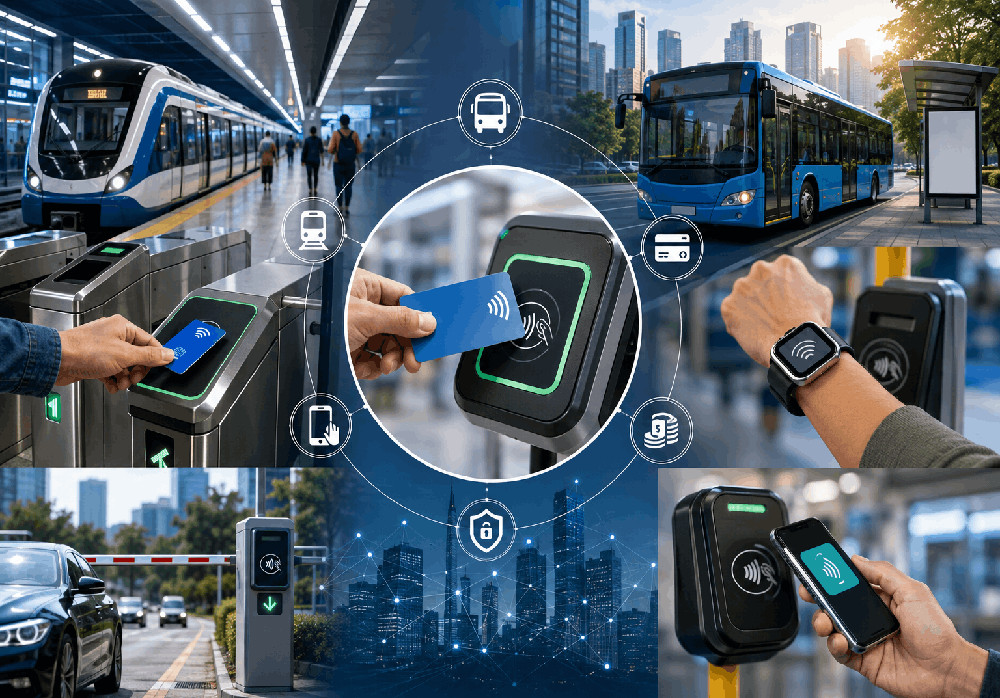
Public transportation is evolving rapidly as cities embrace digital transformation, smart mobility, and cashless payment ecosystems. Passengers today expect a fast, secure, and seamless payment experience similar to what they enjoy in retail stores. Instead of waiting in ticket queues or carrying multiple transit cards, commuters want the convenience of simply tapping a contactless bank card, mobile wallet, or wearable device to begin their journey.
This shift has made Contactless Payment in Transit one of the most important innovations in modern transportation. Across metro rail networks, buses, suburban railways, parking facilities, toll roads, airports, and ferry services, transit operators are replacing traditional ticketing systems with intelligent, contactless fare collection solutions that improve passenger convenience while reducing operational complexity.
In India, this transformation is supported by the National Common Mobility Card (NCMC) initiative, which promotes interoperable and secure digital payments across multiple transportation modes. Globally, transit agencies are adopting EMV Contactless Payment technologies to enable passengers to travel using payment credentials they already carry, eliminating the need for operator-specific cards in many deployments.
For banks, OEMs, payment service providers, transit authorities, and fintech companies, implementing a future-ready contactless payment ecosystem is no longer optional. It has become a strategic investment that improves operational efficiency, enhances customer satisfaction, and supports the long-term vision of connected and intelligent transportation.
What Is Contactless Payment in Transit?
Contactless Payment in Transit is a digital fare collection method that enables passengers to pay for transportation services by tapping a contactless payment credential on a compatible transit validator. Instead of purchasing paper tickets or carrying dedicated transit cards, commuters can use payment methods that are already part of their daily lives, such as contactless bank cards, mobile wallets, wearable devices, or NCMC-enabled cards.
The payment credential communicates securely with the transit validator using contactless technology. The validator authenticates the credential, applies the appropriate fare rules, and records the journey within seconds. This rapid transaction process is essential in high-volume transportation environments, where even small delays at entry gates can result in congestion and longer waiting times.
Unlike conventional retail payments, transit systems must process thousands of transactions during peak hours while maintaining speed, reliability, and security. This requires specialized payment architectures that can support rapid validation, offline capabilities where appropriate, and efficient back-office settlement.
As cities continue investing in digital infrastructure, contactless payment has become the preferred approach for creating frictionless passenger experiences while supporting scalable and interoperable transportation networks.
Why Transit Operators Are Adopting Contactless Payments
Traditional fare collection systems often rely on cash payments, paper tickets, or operator-specific smart cards. While these systems have served transportation networks for decades, they also introduce operational challenges such as long queues, high maintenance costs, cash management risks, and fragmented passenger experiences.
Contactless payment addresses these challenges by simplifying the payment process and reducing dependency on physical ticketing infrastructure.
Faster Passenger Throughput
Speed is critical in public transportation. During rush hours, thousands of passengers must pass through ticket gates or board buses within a short period. Contactless payment reduces transaction time to a simple tap, helping minimize congestion and improve operational efficiency.
Improved Passenger Convenience
Passengers no longer need to carry exact cash, purchase paper tickets, or maintain multiple transit cards. A single payment credential can be used across different transportation services, making travel more convenient and intuitive.
Lower Operational Costs
Transit operators can reduce expenses associated with ticket printing, cash collection, card issuance, and manual fare management. Digital payments also simplify reconciliation and settlement processes.
Enhanced Security
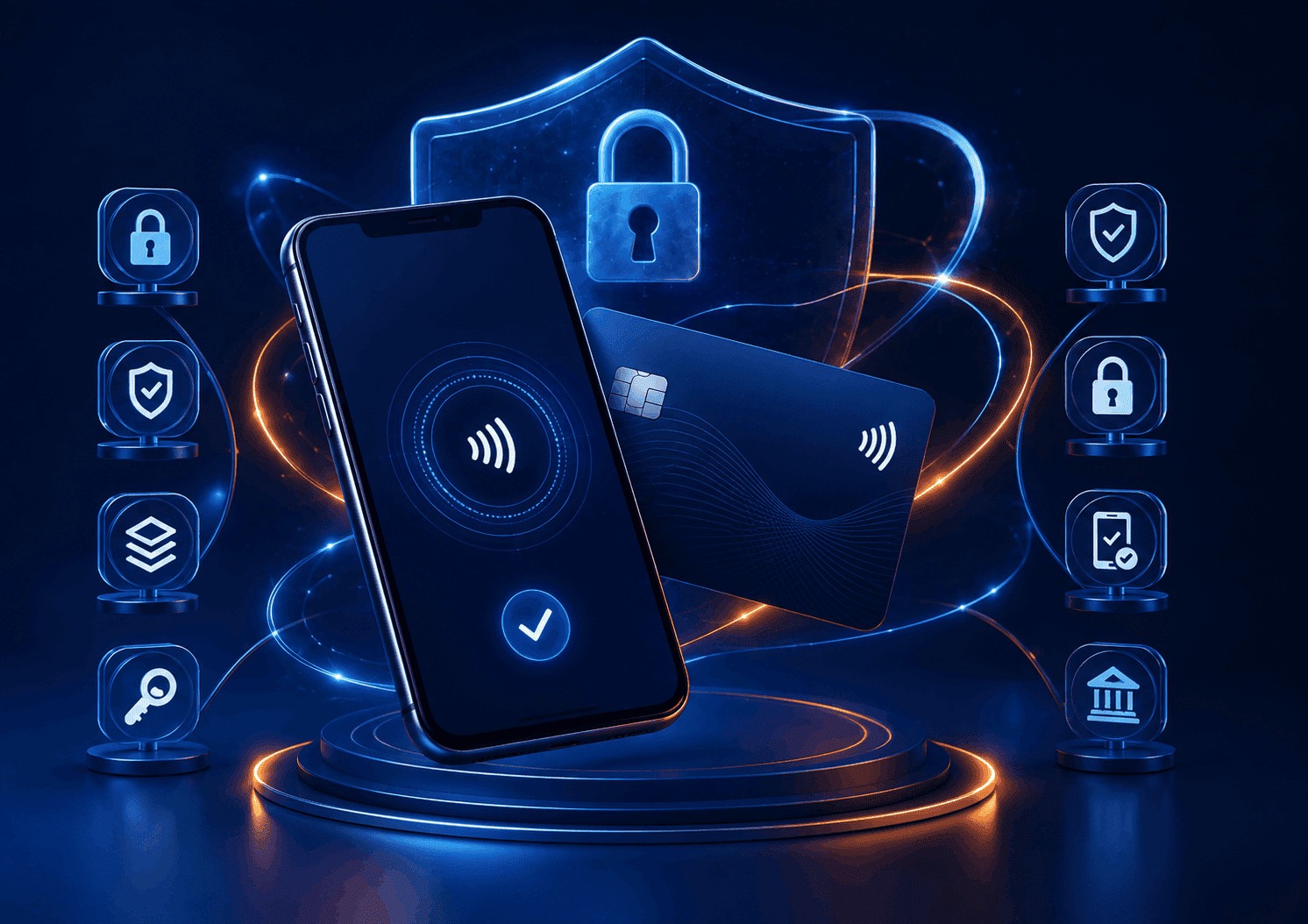
Modern contactless payment solutions use advanced security technologies, including encryption, tokenization, and dynamic transaction authentication, helping protect sensitive payment data while reducing fraud risks.
Support for Smart Cities
Contactless fare collection aligns with broader smart city initiatives by enabling interoperable payment ecosystems that connect transportation, parking, tolling, and retail payments into a unified digital experience.
The Growing Role of NCMC in India’s Transit Ecosystem
India’s transportation landscape is becoming increasingly interconnected, and the National Common Mobility Card (NCMC) is playing a key role in enabling this transformation.
NCMC is designed to support interoperable digital payments across multiple transportation services, reducing the need for passengers to carry separate payment cards for different transit operators. Depending on the deployment, NCMC-enabled solutions can be integrated with metro rail, buses, parking facilities, toll systems, and selected merchant locations, creating a more seamless travel experience.
For transit authorities, NCMC provides a standardized framework for modernizing fare collection while improving interoperability with the broader payment ecosystem. For passengers, it offers greater convenience by enabling a single payment credential to be used across multiple mobility services.
As governments continue investing in smart transportation infrastructure, NCMC is expected to accelerate the adoption of secure, interoperable, and contactless transit payment solutions across India.
Open-Loop vs. Closed-Loop Contactless Payments
One of the most important decisions when modernizing a transit payment system is selecting the right payment architecture. While both Open-Loop and Closed-Loop models enable contactless fare collection, they differ in how payment credentials are issued, validated, and managed.
Understanding these differences helps transit authorities, banks, OEMs, and payment providers choose a solution that aligns with their operational goals, passenger expectations, and long-term digital transformation strategy.
What Is an Open-Loop Contactless Payment System?
An Open-Loop Contactless Payment system allows passengers to use existing payment credentials issued by financial institutions or authorized payment providers. Instead of purchasing a dedicated transit card, commuters simply tap a contactless bank card, NCMC-enabled card, mobile wallet, or wearable device at the transit validator.
The validator securely identifies the payment credential, applies the transit operator’s fare rules, and processes the transaction through the payment ecosystem. This approach eliminates the need for separate transit cards and creates a seamless payment experience across multiple transportation services.
Benefits of Open-Loop Payments
- No dedicated transit card required
- Faster passenger onboarding
- Reduced card issuance and replacement costs
- Improved interoperability across transport networks
- Better passenger convenience
- Simplified fare collection and settlement
- Supports future digital mobility initiatives
Open-Loop payments are widely adopted by metro systems, city bus operators, airports, toll operators, and smart city projects because they provide greater flexibility and support a unified payment experience.
What Is a Closed-Loop Contactless Payment System?
A Closed-Loop Contactless Payment system uses payment credentials that are issued and managed exclusively by the transit operator. These credentials are typically stored-value smart cards that work only within a specific transportation network.
Passengers purchase the transit card, load funds, and use it to access transportation services. Since the entire payment process remains within the operator’s ecosystem, transit authorities maintain full control over fare policies, customer accounts, and payment operations.
Benefits of Closed-Loop Payments
- Complete control over fare management
- Supports customized fare structures and loyalty programs
- Reliable offline transaction processing
- Suitable for private transportation environments
- Reduced dependency on external banking connectivity
Closed-Loop systems remain valuable for campuses, airports, industrial parks, and private transit networks where dedicated payment credentials provide operational advantages.
Open-Loop vs. Closed-Loop: Key Differences
|
Feature |
Open-Loop |
Closed-Loop |
|
Payment Credential |
Bank-issued or NCMC-enabled |
Transit-issued smart card |
|
Interoperability |
High |
Limited |
|
Card Issuance |
Financial institution |
Transit operator |
|
Passenger Convenience |
Excellent |
Moderate |
|
Cash Dependency |
Very Low |
Moderate |
|
Operational Cost |
Lower |
Higher |
|
Banking Integration |
Yes |
No or Limited |
|
Best Use Case |
Public transportation, smart cities |
Private transit, campuses, airports |
Many transit agencies are now implementing hybrid payment models, combining Open Loop convenience with existing Closed Loop infrastructure. This approach protects previous investments while supporting the growing demand for contactless, interoperable payment experiences.
Why EMV Contactless Technology Is Critical for Transit Payments
Speed alone is not enough in public transportation. Every contactless transaction must also be secure, reliable, and interoperable across different payment ecosystems.
This is where EMV Contactless technology plays a vital role.
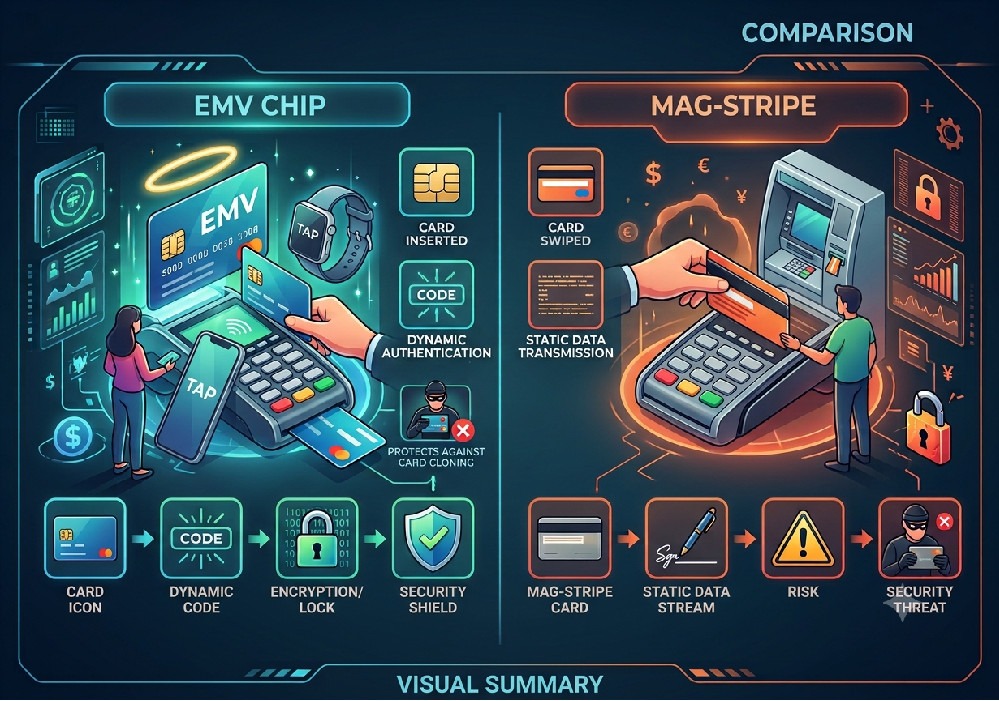
EMV Contactless standards provide a globally recognized framework for secure payment processing. Every time a passenger taps a payment credential at a transit validator, the EMV transaction flow helps verify the payment instrument, protect sensitive data, and reduce fraud through advanced cryptographic techniques.
For high-volume transit environments, EMV Contactless technology enables:
- Secure card authentication
- Dynamic transaction cryptograms
- Tokenization of payment credentials
- End-to-end encryption
- Offline and online risk management
- Faster transaction processing
- Interoperability across multiple payment networks
These capabilities help transit operators deliver a secure passenger experience without compromising transaction speed.
The Role of EMV Kernel in Contactless Transit Payments
While passengers experience only a simple “Tap and Go” interaction, every contactless transaction is powered by sophisticated software running inside the payment terminal or transit validator.
This software is known as the EMV Contactless Kernel.
The EMV Kernel is responsible for processing contactless payment transactions according to EMV specifications. It manages communication between the payment credential and the terminal, applies transaction rules, performs card authentication, executes risk management, and determines the appropriate transaction flow.
Without a compliant EMV Contactless Kernel, transit validators cannot reliably process contactless payments or achieve interoperability with payment networks.
For organizations developing Android POS terminals, transit validators, SoftPOS applications, or self-service ticketing kiosks, selecting a robust and certified EMV Kernel is a critical step toward delivering secure and scalable payment solutions.
Why EMV Certification Matters
Deploying a contactless payment solution requires more than software development. To ensure reliable interoperability and compliance with payment ecosystem requirements, payment devices and applications must undergo appropriate certification processes.
Depending on the solution, this may include:
- EMV Level 1 Certification for hardware communication.
- EMV Level 2 Certification for kernel functionality and transaction processing.
- EMV Level 3 Certification for end-to-end payment application testing.
Certification helps verify that payment devices operate correctly, process transactions securely, and deliver a consistent user experience across supported payment networks.
For banks, OEMs, and payment solution providers, certification reduces deployment risks and accelerates acceptance within the broader payment ecosystem.
Why Choose EazyPay Tech for Contactless Transit Payment Solutions?
The future of public transportation depends on secure, fast, and interoperable Contactless Payment in Transit solutions. As transit operators modernize fare collection systems, they need a technology partner with expertise across payment software, EMV standards, certification, and system integration.
EazyPay Tech delivers end-to-end NCMC Payment Solutions for banks, transit authorities, OEMs, payment service providers, and fintech companies. Our solutions help organizations implement modern transit payment ecosystems that improve passenger convenience, reduce operational complexity, and support long-term scalability.
Our capabilities include Contactless Transit Payment Software, NCMC Payment Solution Development, EMV Contactless Level 2 Kernel Integration, Automatic Fare Collection (AFC) Integration, Android POS and Transit Validator Applications, Terminal Management System (TMS), Remote Key Injection (RKI), Payment Switching and Host Integration, and EMV Level 1, Level 2, and Level 3 Certification Support.
Whether you are deploying a new transit payment platform, upgrading an existing AFC infrastructure, or enabling Open-Loop payment acceptance, our team provides the technical expertise required to deliver secure, standards-compliant, and future-ready solutions.
With extensive experience in EMV Contactless Payments, EMV Kernel Development, and EMV Certification, EazyPay Tech helps organizations build interoperable payment ecosystems that support modern mobility initiatives and evolving passenger expectations.
Contactless Payment in Transit allows passengers to pay for public transportation by tapping a contactless card, NCMC card, smartphone, or wearable on a transit validator. It speeds up fare collection, reduces queues, and provides a secure, cashless travel experience.
Passengers tap a contactless payment credential on a transit validator. The system securely authenticates the payment, applies fare rules, records the journey, and processes the transaction through the transit payment ecosystem.
Open-Loop Transit Payment allows passengers to use existing bank-issued contactless cards, NCMC cards, or mobile wallets for public transportation without purchasing a dedicated transit card.
Closed-Loop Transit Payment uses a transit operator-issued smart card that works only within a specific transport network. The operator manages card issuance, stored value, and fare collection.
The National Common Mobility Card (NCMC) is India’s interoperable transit payment framework that enables secure contactless payments across metro, buses, parking, tolls, and other mobility services.
EMV Contactless Payments improve security, reduce fraud, speed up passenger boarding, and ensure interoperability across payment devices and supported payment networks.
An EMV Contactless Kernel is the software inside a payment terminal or transit validator that securely processes contactless payment transactions according to EMV specifications.
EMV Certification ensures payment devices and applications meet EMV standards, helping deliver secure, reliable, and interoperable contactless payment acceptance.
An Automatic Fare Collection (AFC) system manages passenger validation, fare calculation, payment processing, and ticketing to automate and simplify public transportation payments.
EazyPay Tech delivers end-to-end Contactless Transit Payment Solutions, including NCMC Payment Solutions, EMV Contactless Kernel integration, EMV Certification support, AFC integration, Android POS applications, and Terminal Management Systems (TMS) for banks, transit operators, OEMs, and fintech companies.