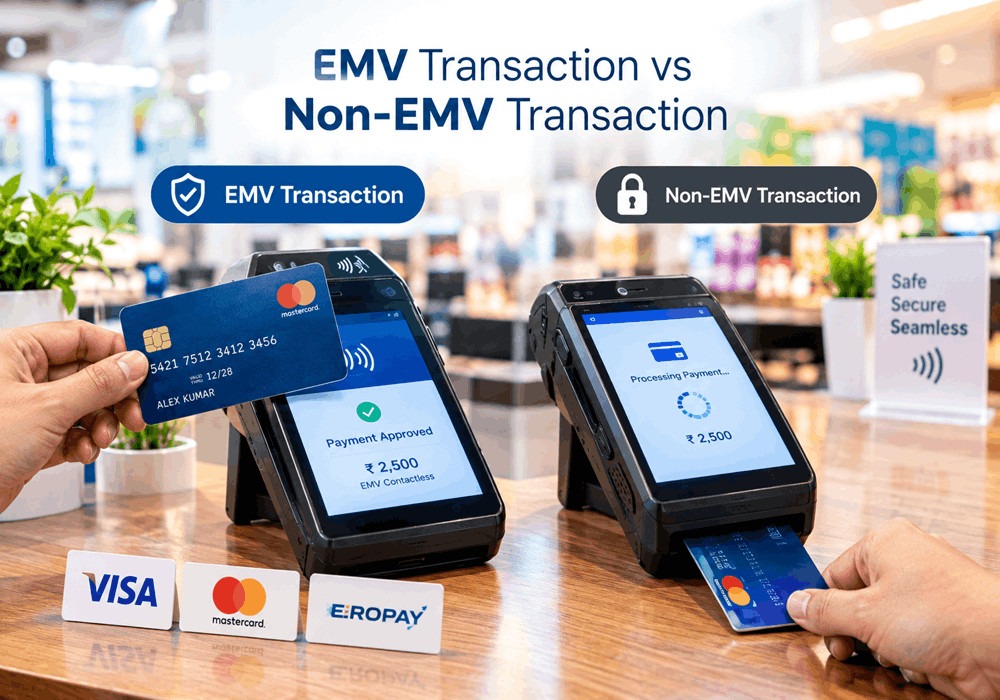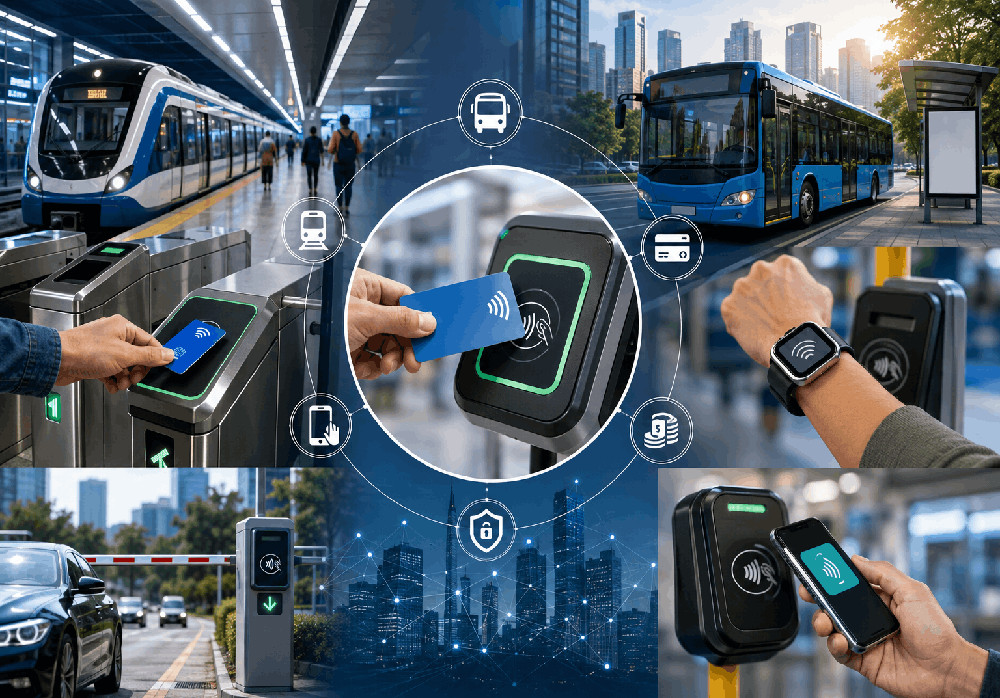
The global transit and mobility industry is experiencing a massive technological transformation where traditional cash-based fare collection systems are rapidly being replaced by intelligent, contactless, cloud-connected, and highly secure digital payment infrastructures designed to deliver faster commuter experiences, improve operational efficiency, reduce payment fraud, and support the growing demand for seamless urban mobility across smart cities, public transportation networks, parking ecosystems, tolling infrastructure, EV charging platforms, and integrated transportation services.
Today’s commuters no longer want to stand in long queues waiting to purchase paper tickets or carry exact cash while traveling through metro stations, buses, railways, parking facilities, or smart transportation corridors because the modern consumer expects instant tap-and-go payment experiences that work securely across debit cards, credit cards, NFC-enabled smartphones, QR-based payment applications, wearable payment devices, transit wallets, and digital banking platforms.
However, behind every smooth and frictionless transit payment experience lies an extremely complex payment technology ecosystem that must comply with strict global security standards including EMV Certification and PCI Compliance requirements to ensure that every transaction processed across transit validators, payment terminals, SoftPOS systems, automated fare collection devices, and mobility applications remains secure, interoperable, encrypted, and globally accepted.
This is exactly where EazyPay Tech plays a critical role as a trusted payment technology, EMV certification, PCI consulting and payment integration partner for transit operators, mobility startups, payment device manufacturers, fintech companies, smart city integrators, banks and transportation technology providers looking to build secure and certification-ready payment ecosystems capable of supporting high-volume commuter transactions in real-world environments.
The Growing Complexity of Transit & Mobility Payment Infrastructure
The transportation sector has evolved far beyond simple ticketing systems because modern transit ecosystems now require real-time integration between multiple payment networks, banking systems, cloud platforms, NFC technologies, fare engines, acquirer hosts, backend transaction servers, and smart mobility applications that must all work together simultaneously without introducing transaction delays or security vulnerabilities.
A modern transit payment environment may include:
- Metro gate validators
- Bus ticketing devices
- Handheld conductor terminals
- Parking payment kiosks
- EV charging payment systems
- Toll collection infrastructure
- Smart city payment gateways
- QR ticketing applications
- NFC-based mobility wallets
- Android SoftPOS devices
- Account-based ticketing systems
- Cloud-hosted payment platforms
Each of these payment touchpoints must process transactions securely while maintaining ultra-fast transaction speeds because even a delay of a few seconds during commuter rush hours can create operational congestion, passenger dissatisfaction, reduced transaction throughput, and revenue losses for transit operators.
Unlike traditional retail payment environments where customers may tolerate slightly longer transaction processing times, transit ecosystems require extremely low-latency payment authorization mechanisms because thousands of commuters may need to pass through ticketing gates within minutes during peak operating hours.
This creates a unique challenge for payment technology providers because transit payment devices must simultaneously balance security, speed, reliability, interoperability, scalability and certification compliance.
At EazyPay Tech, we help organizations overcome these complex challenges through complete EMV Kernel development, PCI security consulting, payment application optimization, and end-to-end certification support specifically designed for modern transit and mobility ecosystems.
Why EMV Certification Is Essential for Transit & Mobility Payment Systems
EMV certification has become one of the most important requirements in modern transportation infrastructure because it ensures that payment devices and transaction systems comply with internationally accepted standards for secure chip and contactless payment processing.
Transit payment systems today must support:
- Contact EMV cards
- Contactless tap payments
- NFC mobile wallets
- Multi-scheme payment acceptance
- Open-loop fare systems
- Closed-loop transport cards
- QR and NFC hybrid environments
- Mobile ticketing platforms
- Wearable payment devices
Without proper EMV certification, transit payment systems may face transaction failures, interoperability issues, scheme approval rejections, payment vulnerabilities, and reduced customer trust.
Many mobility solution providers initially underestimate the technical complexity involved in achieving successful EMV certification because certification is not simply about installing payment software onto a device.
It requires extensive validation across hardware communication layers, transaction processing logic, payment application behavior, scheme-specific rules, contactless performance requirements, risk management functions, and acquirer host integrations.
This is why many organizations experience:
- Repeated certification failures
- Delayed product launches
- Increased testing costs
- Kernel integration problems
- Contactless transaction instability
- Payment scheme rejection
- Transit performance issues
- Compliance-related operational delays
EazyPay Tech helps eliminate these road blocks by providing complete technical guidance and engineering expertise throughout the entire EMV certification journey.
EMV Kernel Development for Transit Payments
The EMV Kernel acts as the core intelligence engine of every payment terminal and transit validator because it controls how payment cards, NFC devices, and mobile wallets interact with the payment application during transaction processing.
In transit and mobility environments, the EMV Kernel must be highly optimized to support extremely fast tap speeds while maintaining full transaction security and payment scheme compliance.
At EazyPay Tech, we specialize in designing and integrating advanced EMV Kernel solutions capable of supporting real-world transit payment requirements where transaction speed, interoperability, and reliability are business-critical.
Our EMV Kernel expertise includes:
- Contact EMV Kernel development
- Contactless EMV Kernel integration
- Multi-scheme kernel support
- Transit-optimized kernel configuration
- NFC transaction optimization
- Low-latency transaction processing
- Mobile wallet interoperability
- Kernel performance tuning
- Offline transaction support
- Open-loop transit integration
- Android payment kernel deployment
- SoftPOS payment kernel integration
We work closely with OEM manufacturers, payment terminal providers, transit solution companies, and fintech organizations to ensure that their payment devices are optimized not only for certification success but also for long-term operational stability in demanding transit environments.
Our engineering teams help reduce certification delays by proactively identifying transaction flow issues, interoperability gaps, scheme compliance risks, and contactless communication bottlenecks before formal certification testing begins.
EMV Certification for Transit Ecosystems
One of the biggest challenges faced by transportation technology companies is navigating the highly technical and time-consuming EMV certification lifecycle, especially when deploying payment systems across large-scale mobility infrastructures involving millions of commuter transactions.
EazyPay Tech simplifies this complex process by offering end-to-end certification consulting and testing support across all EMV certification levels.
EMV Level 1 Certification Support
EMV Level 1 certification focuses on validating the physical communication layer between payment cards and payment readers, including contact and contactless NFC communication performance.
In transit ecosystems where devices operate continuously under challenging environmental conditions such as vibration, dust, outdoor installations, and temperature fluctuations, Level 1 optimization becomes critically important.
EazyPay Tech helps organizations validate:
- RF communication performance
- NFC reader stability
- Contact card communication
- Antenna tuning
- Signal integrity
- Hardware interoperability
- Reader transaction consistency
This ensures that transit validators can reliably process transactions across multiple card brands and NFC-enabled mobile devices without communication failures.
EMV Level 2 Certification Support
EMV Level 2 certification focuses on the EMV Kernel and transaction processing behavior.
Transit payment environments require specialized transaction optimization because validators must complete authentication, risk management, and transaction flow execution within milliseconds.
EazyPay Tech provides extensive Level 2 certification support including:
- Kernel integration validation
- Application selection optimization
- Card authentication tuning
- Contactless transaction flow debugging
- Risk management configuration
- Transit fare logic integration
- Mobile wallet compatibility testing
- Transaction latency optimization
Our expertise helps transit operators and OEM manufacturers minimize certification rejections while significantly reducing development and testing cycles.
EMV Level 3 Certification Support
EMV Level 3 certification validates the complete end-to-end payment application flow between the payment device, acquirer host, payment network, and issuer systems.
This stage becomes especially complex in transit environments because it often involves:
- Offline fare processing
- Deferred authorization models
- Aggregated fare calculations
- High-speed commuter validation
- Reversal handling
- Transit-specific transaction scenarios
EazyPay Tech assists organizations with:
- Scheme-specific transaction validation
- Acquirer host integration
- Payment application debugging
- Transaction log analysis
- Certification test execution
- Multi-scheme interoperability testing
- Transit payment optimization
- Certification project management
Our goal is to help clients achieve faster certification approvals while minimizing costly retesting cycles and operational deployment delays.
PCI Compliance for Secure Transit Payment Infrastructure
While EMV certification focuses on secure payment transaction processing, PCI compliance ensures that the overall payment ecosystem remains protected against data breaches, cyber threats, and unauthorized access to sensitive payment information.
Transit operators and mobility platforms process enormous volumes of cardholder data every day, making payment security one of the most important priorities within modern transportation infrastructure.
A single payment security vulnerability can result in:
- Financial fraud
- Passenger trust loss
- Regulatory penalties
- Operational downtime
- Brand reputation damage
- Data breach liabilities
EazyPay Tech helps organizations implement strong PCI-compliant payment environments capable of supporting large-scale transportation ecosystems securely.
Our PCI services include:
- PCI DSS consulting
- Secure payment architecture design
- Network security assessment
- Encryption implementation guidance
- PCI PTS device support
- SoftPOS security consulting
- PCI MPoC implementation support
- Mobile payment security validation
- Secure backend payment infrastructure consulting
As mobility ecosystems increasingly adopt Android-based ticketing and SoftPOS solutions, EazyPay Tech helps organizations secure NFC payment environments while ensuring compliance with modern PCI security frameworks.
Enabling Smart Cities with Open-Loop Transit Payment Systems
Smart cities worldwide are moving toward open-loop payment ecosystems where commuters can directly use bank-issued debit cards, credit cards, smartphones, and wearable devices for fare payments without relying on dedicated transport cards.
Open-loop systems provide:
- Better commuter convenience
- Faster passenger onboarding
- Reduced infrastructure costs
- Simplified fare collection
- Improved interoperability
- Greater payment flexibility
However, implementing open-loop transit payments requires extensive expertise in EMV certification, PCI security, tokenization, contactless payment processing, acquirer integration, and payment scheme compliance.
EazyPayTech helps smart city projects and transit operators deploy scalable open-loop payment ecosystems capable of supporting secure multi-scheme contactless payment acceptance across transportation networks.
Why Transit & Mobility Companies Choose EazyPay Tech
What differentiates EazyPay Tech is our deep understanding of real-world payment ecosystem challenges rather than only theoretical certification processes. We understand the operational realities faced by:
- Transit operators
- Payment OEMs
- Fintech companies
- Smart mobility startups
- Banking partners
- Transportation integrators
Our teams help solve highly practical deployment challenges involving:
- Contactless transaction delays
- Kernel instability
- Scheme approval bottlenecks
- NFC interoperability issues
- Transit fare logic complexity
- Acquirer host communication problems
- SoftPOS integration issues
- Certification project delays
We help organizations accelerate payment innovation while ensuring security, compliance, interoperability, and scalability.
The Future of Transit Payments Is Secure, Contactless, and Intelligent
The future of mobility payments is rapidly evolving toward:
- Account-based ticketing
- AI-powered fraud prevention
- Biometric fare authentication
- Cloud-native payment infrastructure
- SoftPOS-based transit ticketing
- Wearable payment ecosystems
- Unified smart city payment platforms
- Real-time transaction analytics
- Embedded finance for mobility ecosystems
As digital transportation ecosystems continue expanding globally, organizations that invest in certified, secure, and interoperable payment infrastructure will be better positioned to deliver world-class commuter experiences while reducing fraud risks and operational inefficiencies.
EazyPay Tech empowers organizations to build these next-generation mobility payment ecosystems through advanced EMV Kernel development, PCI consulting, certification expertise, payment integration services, and transit-focused payment optimization solutions designed for the future of digital transportation.
EMV certification validates that a transit payment device or system complies with EMV standards for secure and interoperable card and contactless payment processing. It helps ensure reliable transactions across payment cards, NFC-enabled smartphones, wallets, and supported payment schemes.
EMV certification is important because transit systems require secure, fast, reliable, and interoperable payment processing. Certification helps reduce transaction failures, interoperability problems, security risks, and payment-scheme approval issues while supporting high-volume commuter transactions.
An EMV Kernel is the core software component responsible for handling EMV payment transaction logic between a card or contactless device and the payment application. In transit environments, the kernel must be optimized for fast transaction processing, contactless performance, security, and multi-scheme interoperability.
An EMV Contactless Kernel manages contactless payment transactions between a transit validator and an NFC-enabled card, smartphone, or wearable. It helps enable fast tap-and-go payments while maintaining EMV transaction and security requirements.
EMV L1 validates the physical communication layer between the card and payment reader. EMV L2 validates the EMV Kernel and transaction-processing logic. EMV L3 validates the end-to-end payment application and its interaction with the acquirer, payment network, and other transaction-processing systems.
When a transit payment terminal uses EMV functionality, the EMV Kernel and its transaction-processing behavior must meet the applicable certification requirements. EMV L2 certification is therefore a key part of validating the payment processing layer before deployment.
EMV L3 certification validates the complete payment application transaction flow, including communication between the payment device, payment application, acquirer host, and payment network. Transit implementations may also require testing of scenarios such as reversals, offline processing, and transit-specific transaction flows.
PCI compliance helps protect payment environments against unauthorized access, data breaches, and other security threats. For transit systems, this can include secure payment architecture, encryption, network security, PCI PTS requirements, and applicable mobile or SoftPOS security controls.
EMV certification primarily validates payment transaction functionality, interoperability, and compliance with applicable EMV requirements. PCI compliance focuses on protecting payment data, devices, applications, infrastructure, and the broader payment environment from security threats. Both can be important components of a secure transit payment ecosystem.
Yes. EMV contactless technology can support tap-based payments using compatible contactless cards and other NFC-enabled payment devices. Transit validators can be designed to process these payments at high speed for environments such as buses, metro systems, and rail networks.
Open-loop transit payment allows passengers to use eligible bank-issued payment cards, smartphones, or wearable payment devices directly to pay transit fares instead of requiring a dedicated transportation card. It can improve passenger convenience and reduce the need for separate fare-payment credentials.
Open-loop payments can provide faster passenger onboarding, greater payment flexibility, improved interoperability, and a more convenient commuter experience. They can also help transit operators simplify fare collection and reduce dependence on dedicated closed-loop payment infrastructure.
Yes. SoftPOS can enable compatible Android devices to accept contactless payments without requiring a traditional dedicated payment terminal. For transit applications, SoftPOS needs to be implemented with appropriate payment security, certification, device controls, and transaction-processing requirements.
Transit payment ecosystems can include metro gate validators, bus ticketing terminals, handheld conductor devices, parking payment kiosks, tolling systems, EV charging terminals, Android SoftPOS devices, NFC payment readers, and other automated fare collection equipment.
A transit-optimized EMV Kernel can help improve transaction processing speed, contactless communication, interoperability, and transaction reliability. This is particularly important during peak travel periods when large numbers of passengers need to complete payments within a short time.
Common challenges include Kernel integration issues, contactless transaction failures, interoperability problems, transaction-flow errors, scheme-specific requirements, host integration issues, certification test failures, and repeated testing cycles. Identifying these issues before formal certification can help reduce development and certification delays.
A multi-scheme EMV Kernel can be designed to support applicable international and domestic payment schemes depending on the project requirements and certifications. The exact supported schemes depend on the Kernel implementation, target market, payment application, and certification scope.
A secure transit payment system typically requires appropriate EMV Kernel technology, EMV certification, PCI security controls, secure payment applications, reliable hardware, acquirer and payment-network integration, contactless interoperability, and appropriate testing before deployment.