
UPI Soundbox vs QR Code Payments
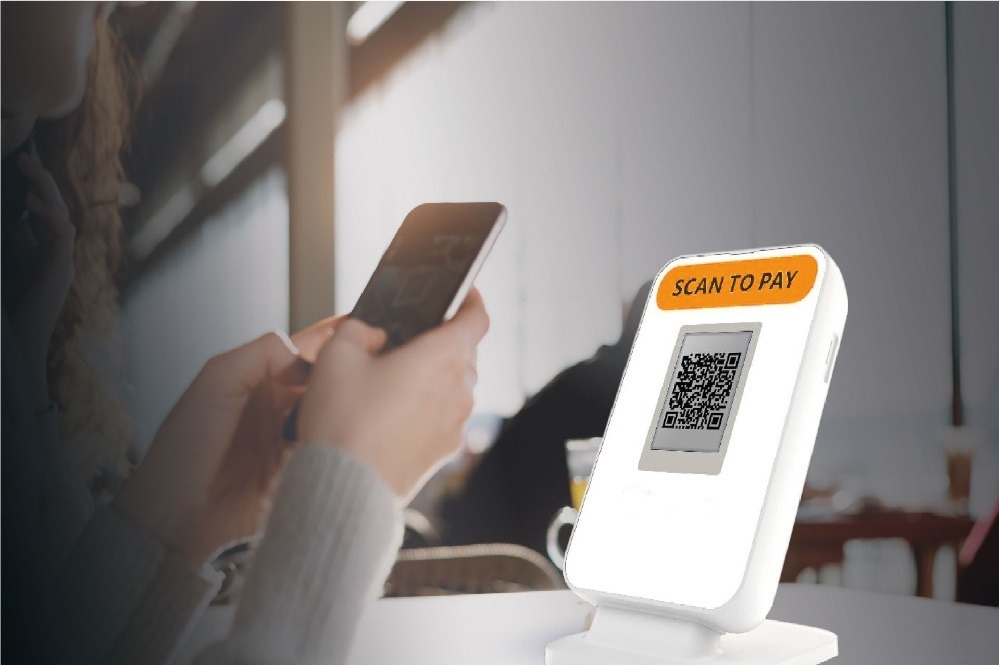
Running an offline retail business in today’s world means constantly balancing efficiency, customer satisfaction, and profitability. Every day, business owners face challenges such as adopting new technologies, staying ahead of competitors, catering to rapidly changing customer preferences, and complying with government regulations. Among these challenges, one critical decision often creates confusion: choosing the right digital […]
EMV Certification Guide | EMV Level 1, Level 2 & Level 3
The global payments industry is evolving rapidly as consumers increasingly rely on chip cards, contactless payments, NFC-enabled smartphones, SoftPOS solutions, payment soundboxes, smart POS terminals, self-service kiosks, and digital banking applications. With billions of card transactions processed every day, payment security has become one of the highest priorities for banks, fintech companies, payment service providers […]
Visa vs Mastercard vs RuPay EMV Certification Differences
In today’s global payment ecosystem, security, interoperability, and compliance are not optional; they are fundamental requirements for the acceptance of electronic transactions. EMV certification sits at the very center of this landscape. Named after its original creators EuroPay, Mastercard, and Visa EMV has become the global standard for secure payment card transactions using chip technology. […]
EMV Certification Components
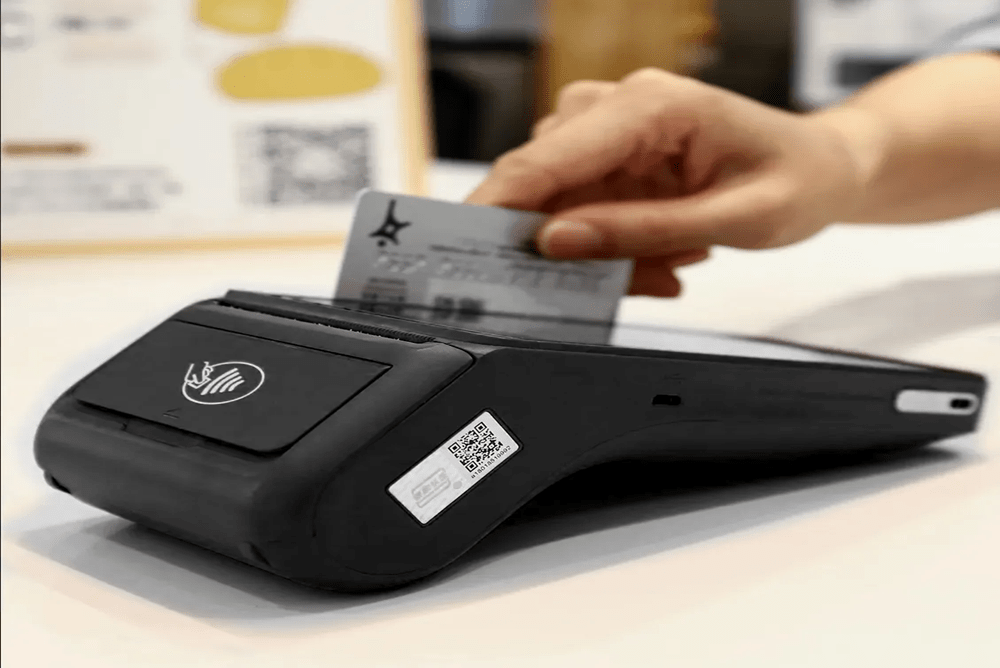
In today’s rapidly evolving payments industry, EMV certification is a crucial step for any organization developing or deploying POS terminals, ATMs, SoftPOS applications, payment Soundboxes or other card acceptance devices. With global payment ecosystems increasingly dependent on chip-enabled and contactless transactions, certification ensures that devices meet strict security and interoperability standards mandated by EMVCo and […]
Role of Card & Host Simulators in EMV Certification
The payment ecosystem is built on trust. Every time a card is inserted, tapped, or waved across a POS terminal, ATM, or SoftPOS device, an intricate series of communications occurs between the card, the terminal, the acquiring host, and the payment network. To the end-user, this is a seamless experience that takes just a few […]
The Rise of Digital Wallets and Payment Soundbox
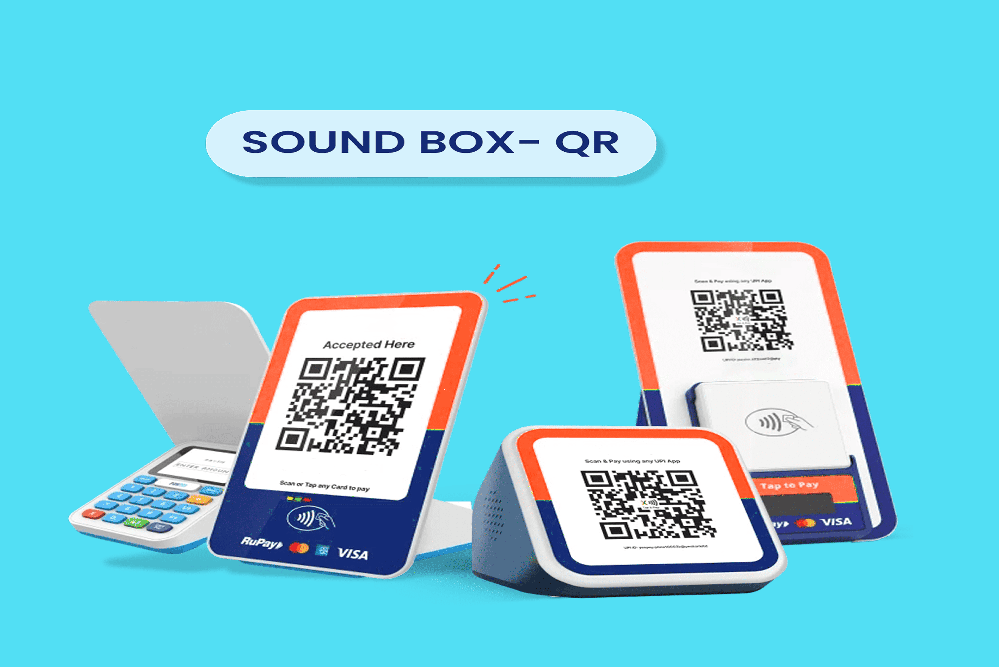
The payment industry has undergone one of the most dramatic transformations in history over the last decade. What was once a system dominated by physical cash, plastic cards, and bank branches is now becoming increasingly digital, mobile-first, and driven by innovative financial technologies. Among the most influential innovations reshaping consumer and merchant behavior are digital […]
PCI Security
Payment Card Industry (PCI) security refers to the set of standards and regulations established by the PCI Security Standards Council (PCI SSC) to ensure the secure handling, processing, and transmission of credit card data. These standards are designed to protect sensitive cardholder information from fraud, data breaches, and cyber threats. The PCI SSC was founded […]
PCI Compliance vs EMV Compliance
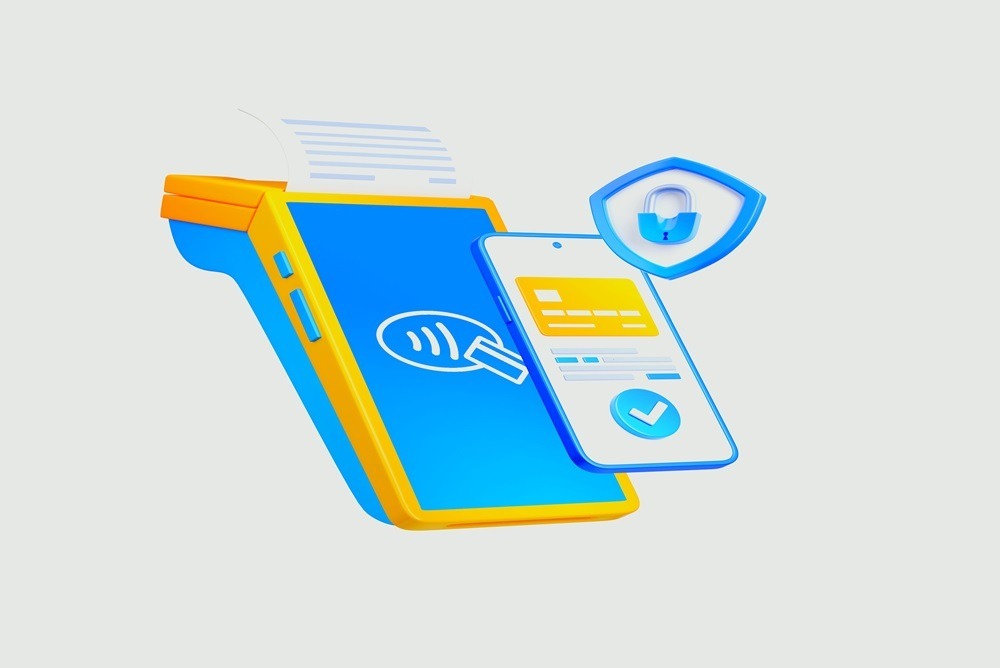
Understand the critical differences between PCI compliance and EMV technology. EazyPay Tech helps businesses achieve secure, certified payment systems with EMV & PCI DSS integration.
QR Soundbox Technology: TTS vs. Pre-Recorded Audio
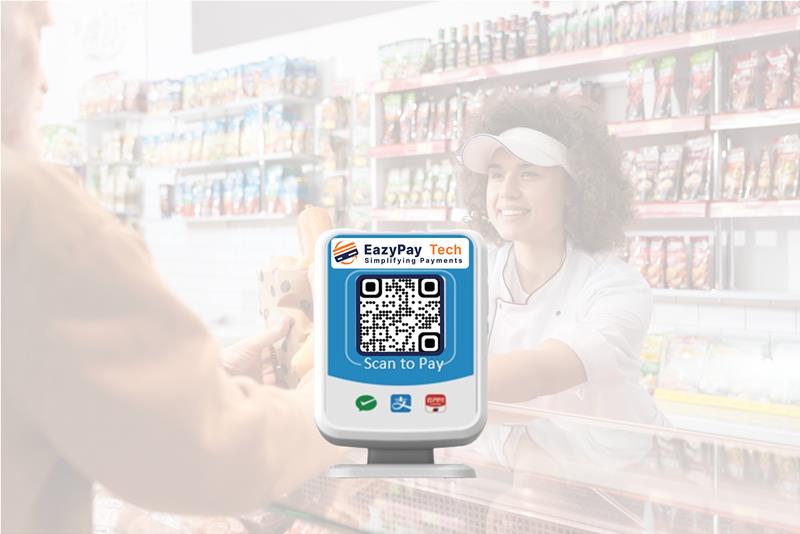
At EazyPay Tech, we provide advanced QR Soundbox and UPI Payment Sound Box solutions that are transforming the way small businesses and large retailers receive and confirm payments. A Sound Box for UPI payment doesn’t just sit on a counter it speaks directly to merchants, confirming every successful QR code transaction with a clear and […]
Payment Soundbox and UPI Payment
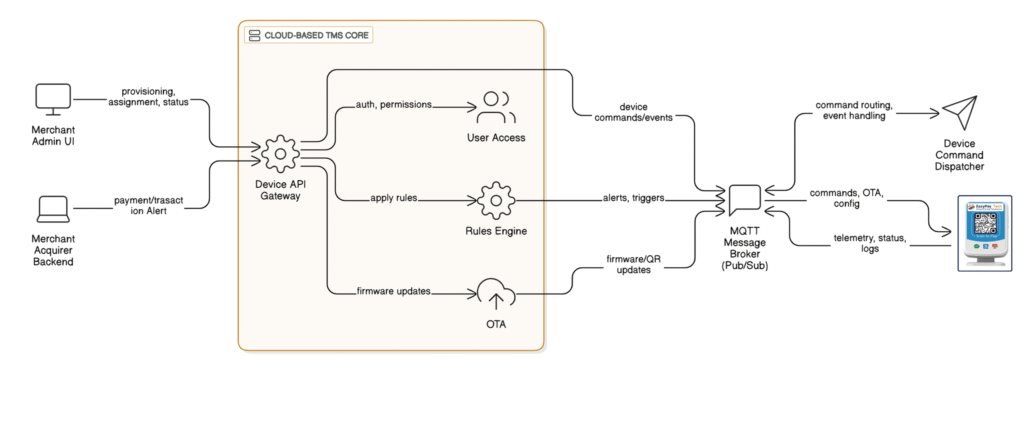
The meteoric rise of UPI (Unified Payments Interface) has ushered in a new era of contactless payments, with QR code-enabled soundboxes becoming integral tools for real-time transaction confirmation. These compact, voice-enabled devices are not just useful they’re redefining merchant-customer trust, especially across small merchants, kirana stores, and MSMEs. But managing the lifecycle of thousands or […]