
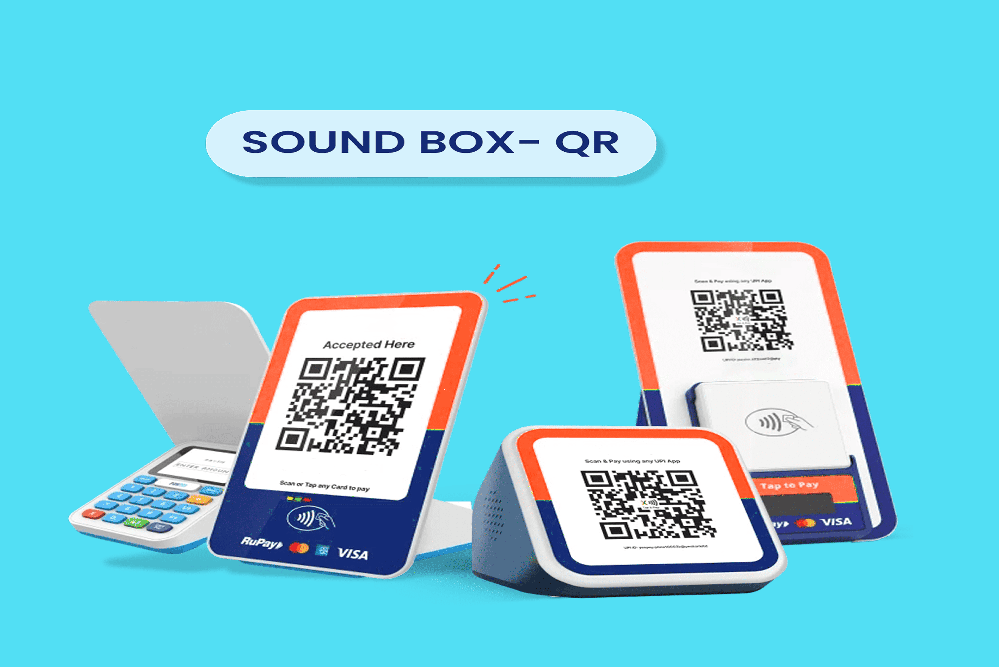
The payment industry has undergone one of the most dramatic transformations in history over the last decade. What was once a system dominated by physical cash, plastic cards, and bank branches is now becoming increasingly digital, mobile-first, and driven by innovative financial technologies. Among the most influential innovations reshaping consumer and merchant behavior are digital wallets and payment soundboxes.
Digital wallets have become the central hub for everyday transactions, offering users the ability to store payment credentials securely and make payments with just a tap or scan. Payment soundboxes, on the other hand, have emerged as one of the most practical tools for small and medium businesses in regions where QR code and UPI payments dominate. By providing instant audio confirmation of payments, soundboxes bridge the trust gap between merchants and customers, ensuring that digital transactions are as reliable as cash exchanges.
Together, these technologies are not just facilitating smoother payments; they are accelerating financial inclusion, driving cashless adoption, and redefining how the global payment ecosystem operates.
The Evolution of Digital Wallets
What Is a Digital Wallet?
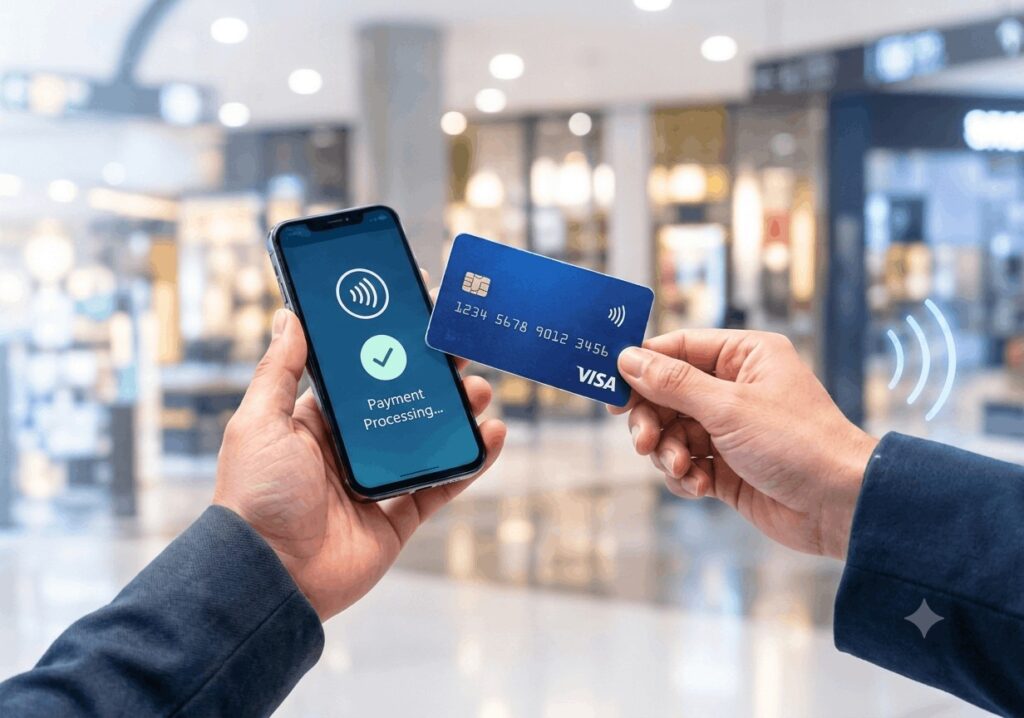
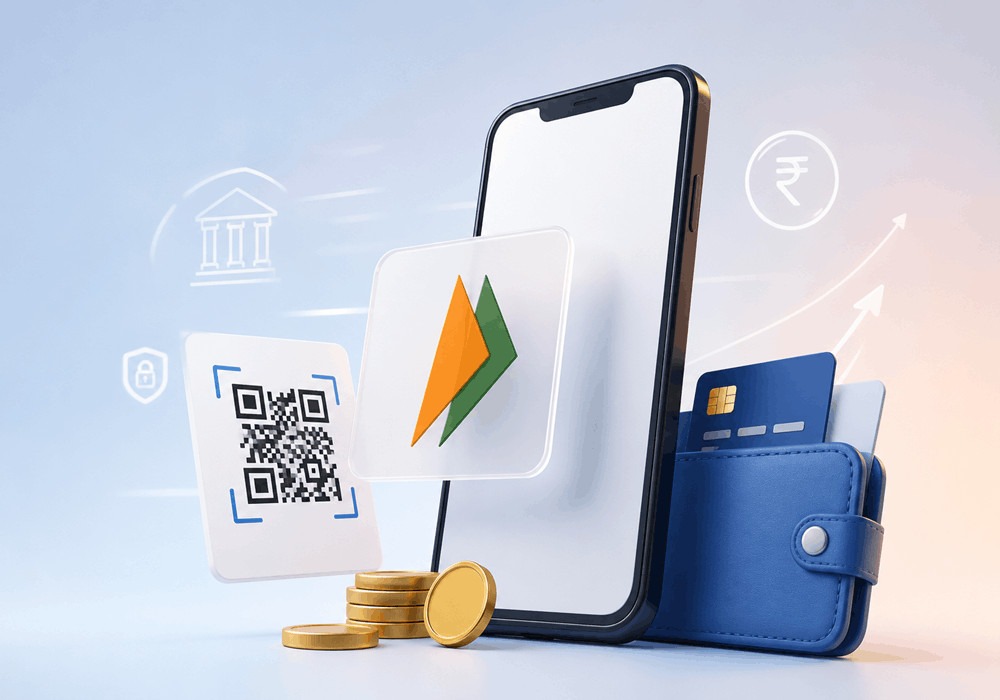
A digital wallet, sometimes called an e-wallet, is a software-based system that securely stores users payment information, loyalty cards, and even identity credentials. It allows individuals to make contactless payments through NFC (Near Field Communication), QR codes, or online checkout without needing physical cash or cards.
Digital wallets started as simple online payment accounts, such as PayPal in the late 1990s, primarily focused on e-commerce. Today, they have evolved into highly sophisticated applications embedded within smartphones and integrated with mobile operating systems. Platforms like Apple Pay, Google Pay, Samsung Pay, Alipay, and Paytm have become central to digital commerce ecosystems, offering everything from payments to ticket booking, rewards programs, and financial services.
The Drivers Behind Digital Wallet Adoption
Several global and regional factors have contributed to the massive adoption of digital wallets:
- Smartphone Penetration – Affordable smartphones and better mobile internet access have enabled millions of people to transition to mobile payments.
- Rise of E-Commerce – Online shopping platforms encouraged wallet usage by offering faster, one-click checkout experiences.
- Shift Toward Contactless Payments – Especially during the COVID-19 pandemic, consumers embraced touch-free transactions.
- Government Initiatives – Cashless economy drives in countries like India, Singapore, and China accelerated wallet penetration.
- Security Enhancements – Technologies like tokenization, biometric authentication, and encryption built trust in digital payments.
Benefits of Digital Wallets for Consumers and Merchants
- For Consumers: Convenience of carrying multiple cards digitally, faster checkouts, enhanced security, integration with lifestyle services, and rewards.
- For Merchants: Reduced reliance on cash handling, improved transaction records, faster settlements, and opportunities to engage customers through loyalty and cashback.
Global Leaders in Digital Wallets
- China: Alipay and WeChat Pay dominate the landscape.
- India: Paytm, PhonePe, and Google Pay are widely used.
- Western Markets: Apple Pay and Google Pay are integrated into banking ecosystems.
- Emerging Markets: Wallets like M-Pesa in Africa showcase how wallets drive financial inclusion.
The Rise of Payment Soundboxes
What Is a Payment Soundbox?
A Payment Soundbox is a voice-enabled IoT device that provides instant audio confirmation of digital transactions, typically QR or UPI-based. When a customer pays using a QR code, the soundbox loudly announces the payment amount and confirms receipt, reducing confusion caused by delayed SMS alerts.
Why Merchants Adopt Soundboxes
- Instant Trust: Merchants hear confirmation in real-time, ensuring payments are received.
- Fraud Prevention: Prevents customers from showing fake screenshots or false messages.
- Ease of Use: Works with existing QR payment infrastructure, requires minimal setup.
- Scalability: Ideal for small shops, street vendors, restaurants, and high-volume environments.
Origin and Global Expansion
Payment soundboxes gained prominence in India, with fintech companies like Paytm, PhonePe, and BharatPe deploying millions of devices across the country. Today, the model is expanding to Southeast Asia, Africa, and Latin America, where QR payments are growing rapidly. These regions face similar challenges of merchant trust and instant confirmation, making soundboxes an essential companion for cashless adoption.
The Combined Impact on the Payment Industry
- Acceleration of Cashless Transactions
Digital wallets and soundboxes work together to push societies away from cash. Consumers are comfortable paying through wallets, while merchants feel secure accepting those payments when a soundbox confirms them.
- Empowering Small and Medium Businesses
The backbone of most economies is small merchants and street vendors. With digital wallets and soundboxes, they can accept payments without needing expensive POS terminals, significantly lowering barriers to digital adoption.
- Enhancing Consumer Trust
Customers gain confidence knowing that their transactions are instantly verified. This strengthens repeat usage and makes digital payments a default choice.
- Driving Financial Inclusion
In regions with limited access to formal banking, wallets and soundboxes enable participation in the digital economy. For example, a vendor in rural India can accept QR-based payments from anyone with a smartphone wallet, without needing a bank card terminal.
- Security and Fraud Reduction
- Wallets use encryption, tokenization, and biometrics.
- Soundboxes reduce social engineering frauds where customers trick merchants with false confirmations.
- New Revenue Models for Fintechs and Banks
- Subscription-based services for soundbox devices.
- Transaction fees, cashback partnerships, and cross-selling of financial products via wallets.
Regional Insights
- India: UPI-based payments combined with soundboxes have revolutionized small merchant transactions.
- China: Wallet dominance (Alipay, WeChat) continues, though soundboxes are less prevalent due to advanced POS infrastructure.
- Africa: Wallets like M-Pesa are vital for inclusion, and soundboxes are beginning to gain traction for merchant adoption.
- Southeast Asia: Nations like Indonesia, Malaysia, and Thailand are seeing rapid wallet adoption and early-stage soundbox deployments.
Future Outlook
- Integration of Wallets and Soundboxes
Future soundboxes could display digital receipts, track sales, and integrate directly with wallet apps for analytics. - Cross-Border Payments
Wallets will increasingly support remittances and international QR acceptance, with soundboxes confirming in local currency. - AI and Voice Assistance
Soundboxes could evolve into smart assistants, providing merchants with inventory alerts, customer insights, and multilingual support. - Regulatory Push for Cashless Economies
Governments worldwide will continue incentivizing wallet adoption while supporting merchant-friendly infrastructure like soundboxes. - Enhanced Security and Fraud Detection
Expect stronger AI-driven fraud detection and advanced encryption to protect both wallets and soundbox-enabled transactions.
The rise of digital wallets and payment soundboxes marks a turning point in the payment industry. Wallets provide the backbone for seamless, cashless transactions, while soundboxes instill trust by confirming those payments instantly. Together, they empower merchants, reassure consumers, reduce fraud, and accelerate the journey toward fully cashless economies.
As these technologies continue to evolve, their role in shaping the global payment ecosystem will only deepen, offering businesses and consumers a future where financial transactions are instant, secure, and universally accessible.