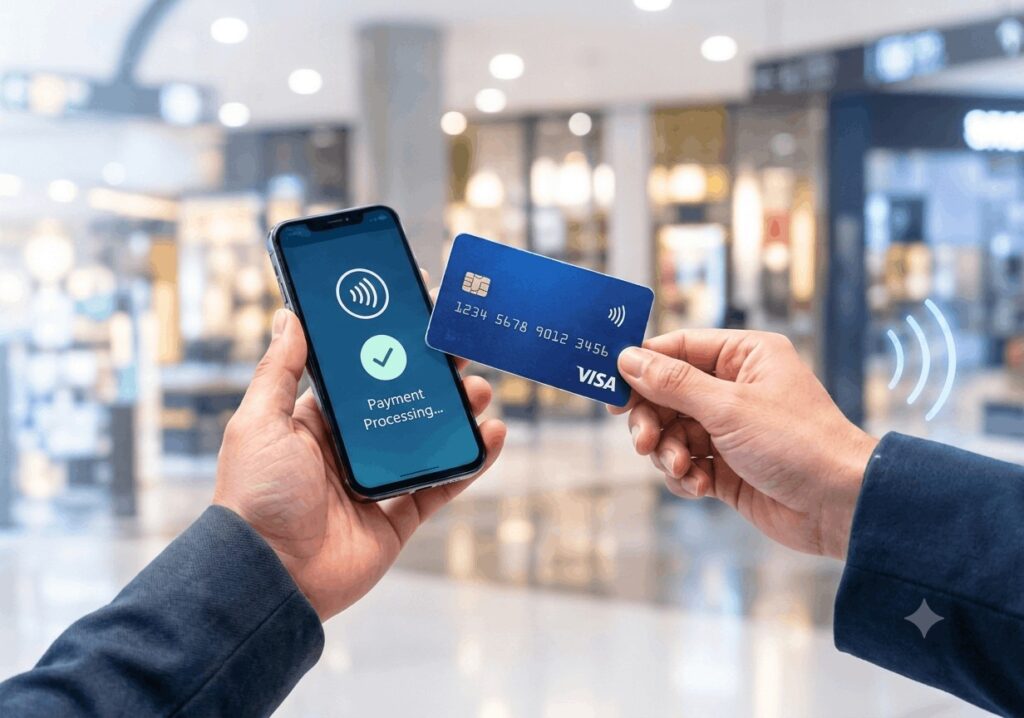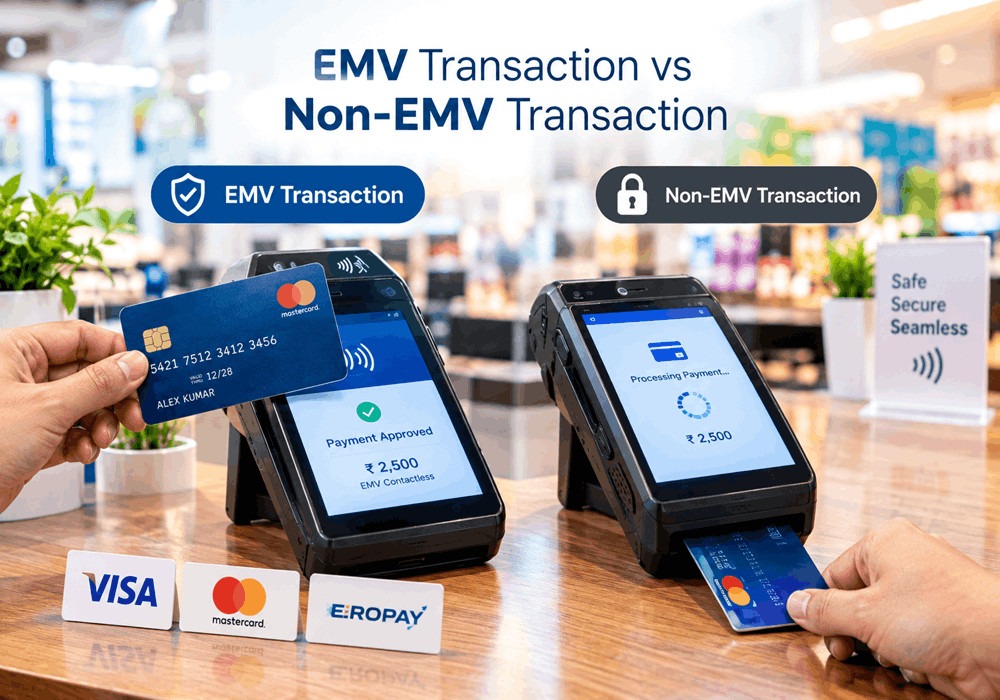

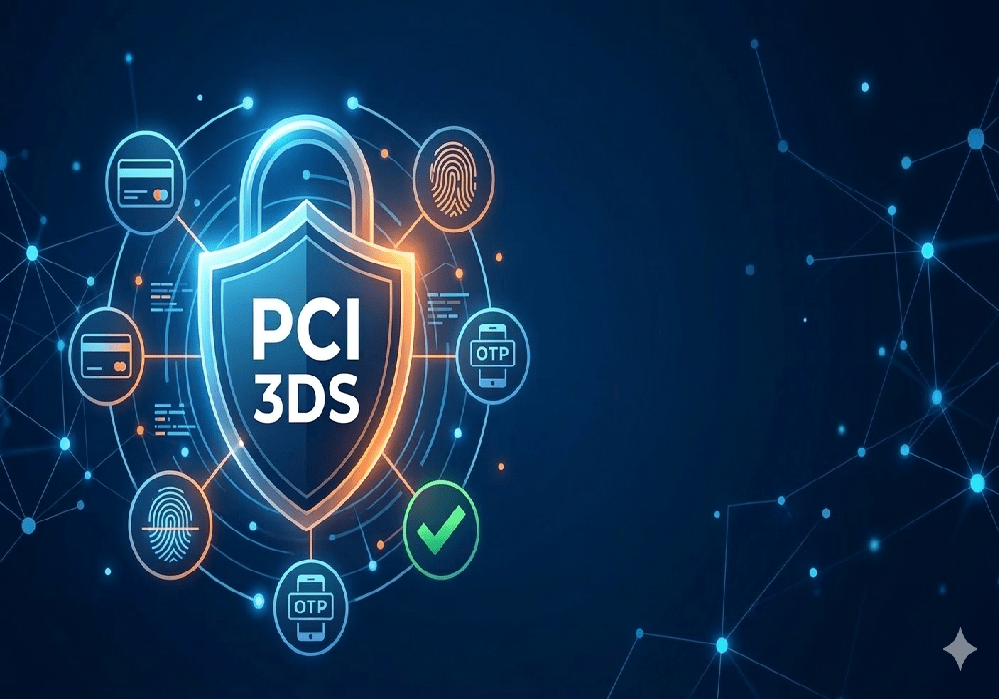
In today’s rapidly expanding digital commerce ecosystem, online card transactions have become an essential part of global business operations. However, with the growth of e-commerce and digital payments, cybercriminals increasingly target card-not-present (CNP) transactions. Businesses, payment service providers, and financial institutions must implement advanced authentication mechanisms to protect sensitive cardholder data and prevent fraud.
One of the most effective security frameworks designed to protect online card payments is PCI 3D Secure (3DS). By adding an additional authentication layer during online transactions, 3D Secure significantly reduces fraud risks while improving trust in digital payment environments.
What is PCI 3D Secure?
PCI 3D Secure (3DS), also known as Three Domain Secure, is a security protocol designed to add an additional authentication layer for online credit and debit card payments. Initially introduced by Visa and later adopted by major card networks such as Mastercard, American Express, and JCB, the protocol ensures that the person initiating a transaction is the legitimate cardholder.
The term “3D” refers to the three domains involved in the authentication process:
- Issuer Domain
The financial institution that issued the card to the customer. The issuer verifies the cardholder’s identity during the authentication process. - Acquirer Domain
The acquiring bank that processes payments for the merchant and communicates with card networks. - Interoperability Domain
The infrastructure that connects the issuer and acquirer, enabling secure communication between the two systems during authentication.
By incorporating these domains, 3D Secure enables secure communication and identity verification before completing online card payments.
How 3D Secure Works in Online Transactions
3D Secure introduces an additional verification step during online payments to ensure that only authorized cardholders complete the transaction.
The process typically follows these steps:
1. Customer Initiates a Payment
A customer selects a product or service on an e-commerce website, proceeds to checkout, and enters their card details.
2. Authentication Request
Once the payment is initiated, the merchant’s payment gateway sends a request to the 3D Secure server, which communicates with the card issuer.
3. Cardholder Authentication
The issuing bank verifies the cardholder’s identity using authentication methods such as:
- One-Time Password (OTP) sent via SMS
- Banking app verification
- Biometric authentication (fingerprint or facial recognition)
- Dynamic security codes
4. Transaction Authorization
After successful authentication, the issuing bank approves the transaction and sends confirmation back through the payment network to the merchant.
If authentication fails, the transaction is declined.
This entire process typically occurs within a few seconds, ensuring both security and a smooth checkout experience.
Why 3D Secure is Important for Online Payments
As digital payments continue to grow globally, the risk of online payment fraud has also increased. Card-not-present transactions are particularly vulnerable since the physical card is not required during the payment process.
Implementing PCI 3D Secure authentication provides several critical advantages.
Fraud Reduction
3D Secure ensures that the cardholder must verify their identity before completing a transaction, significantly reducing unauthorized transactions and payment fraud.
Improved Consumer Trust
Customers are more likely to complete purchases on websites that demonstrate strong security measures. Implementing 3D Secure helps businesses build trust and credibility.
Regulatory Compliance
Several regulatory frameworks require strong authentication mechanisms:
- PSD2 Strong Customer Authentication (SCA) in Europe
- Reserve Bank of India Additional Factor of Authentication (AFA) requirements for card-not-present transactions
- Global payment network security mandates
3D Secure plays a vital role in helping organizations meet these regulatory obligations.
Key Benefits of PCI 3D Secure Technology
3D Secure provides significant benefits to merchants, banks, payment processors, and customers.
Strong Fraud Protection:
By introducing additional authentication steps, 3D Secure significantly reduces the risk of unauthorized transactions and identity theft.
Chargeback Reduction :
When a transaction is authenticated using 3D Secure, liability often shifts to the card issuer, reducing the financial risk for merchants.
Better Customer Confidence :
Customers feel more secure when making payments on platforms that implement advanced security measures.
Enhanced User Experience:
Modern implementations, especially 3D Secure 2.0, provide faster and more seamless authentication processes.
Regulatory and Industry Compliance:
Adopting 3D Secure ensures alignment with global payment security standards and regulatory frameworks.
What is 3D Secure 2.0 (3DS2)?
To address evolving digital payment requirements, the payment industry introduced 3D Secure 2.0 (3DS2)—an enhanced version of the original protocol designed for mobile commerce and modern payment environments.
3DS2 improves both security and user experience.
Key Features of 3D Secure 2.0
Frictionless Authentication
Many transactions can now be approved without requiring user interaction. Risk-based authentication analyzes transaction data such as:
- Device information
- Location data
- Transaction history
- Behavioral patterns
If the transaction appears low risk, authentication occurs silently.
Mobile Optimization
3DS2 is designed specifically for mobile devices and mobile banking applications, ensuring seamless authentication on smartphones and tablets.
Biometric Authentication
Modern authentication methods supported by 3DS2 include:
- Fingerprint verification
- Facial recognition
- Banking app authentication
These features improve security while minimizing checkout friction.
Key Parties Involved in a 3D Secure Transaction
A secure 3D Secure transaction involves multiple entities working together to verify and process payments.
Cardholder:
The customer initiating the online purchase.
Merchant:
The business or e-commerce platform accepting the payment.
Issuer:
The bank that issued the card and performs the authentication process.
Acquirer:
The merchant’s bank is responsible for processing the transaction.
3D Secure Server:
The technology platform that facilitates communication between the merchant, payment gateway, and issuer.
Card Networks:
Payment brands such as Visa, Mastercard, and American Express that manage and maintain the 3D Secure protocol.
Each participant plays a critical role in ensuring the security, authentication, and authorization of online payments.
How 3D Secure Enhances Fraud Detection
From a cybersecurity perspective, 3D Secure significantly strengthens fraud detection capabilities by integrating with existing fraud prevention systems.
Real-Time Authentication
Authentication occurs instantly during the transaction, enabling immediate detection of suspicious activity.
Behavioral and Risk Analysis
3D Secure 2.0 uses advanced risk-based authentication mechanisms that analyze:
- Device fingerprinting
- Transaction patterns
- User behavior
- Geographic location
This helps identify anomalies and potential fraudulent activities.
Multi-Factor Authentication (MFA)
By combining multiple verification methods such as OTPs, biometrics, and device verification, 3D Secure provides strong protection against cyberattacks.
PCI 3D Secure Certification: Why It Matters
PCI 3DS certification ensures that merchants, payment gateways, fintech platforms, and service providers comply with the technical and security requirements of the 3D Secure protocol.
Certification verifies that organizations have implemented the necessary controls to:
- Protect cardholder authentication data
- Secure transaction communication
- Integrate fraud prevention systems
- Meet payment network security requirements
For organizations operating in digital commerce, PCI 3DS certification is essential for building secure and trusted payment ecosystems.
Strengthening Payment Security Across the Financial Ecosystem
Financial institutions and fintech companies are increasingly targeted by sophisticated cyber threats. As digital payment adoption continues to grow globally, organizations must implement advanced security frameworks that protect both customer data and payment infrastructures.
Leading financial institutions adopt several security best practices to protect their payment systems:
- Implementing Zero Trust security strategies
- Enforcing strong authentication mechanisms
- Developing secure payment applications
- Protecting sensitive data across the entire payment lifecycle
- Ensuring continuous cybersecurity compliance
- Collaborating with industry partners to strengthen payment security
These strategies, combined with 3D Secure authentication, significantly enhance the security posture of modern digital payment systems.
Secure Your Online Payment Infrastructure with EazyPay Tech
As digital payments evolve, organizations must adopt advanced security protocols to protect customers and reduce fraud risks. Implementing PCI 3D Secure authentication and certification ensures secure online transactions while maintaining compliance with global payment standards.
EazyPayTech provides expert support for secure payment ecosystems, helping fintech companies, banks, and payment solution providers implement robust security frameworks for digital transactions.
Our expertise includes:
- Payment security consulting
- Secure payment application development
- EMV and PCI compliance support
- Advanced fraud prevention solutions
- Secure payment infrastructure integration
Talk to EazyPay Tech Experts
Strengthen your online payment security and protect your customers from fraud.
Connect with EazyPay Tech today to implement secure payment authentication solutions and build a trusted digital payment ecosystem.