Over the past decade, contactless payments have transformed from an optional feature into a fundamental expectation across the global payment ecosystem. Consumers today no longer view speed and convenience as added benefits—they see them as standard requirements. This shift is clearly reflected in mature markets, where adoption has reached saturation levels. In countries like the U.K. (93.4%), Australia (95%), and Singapore (97%), contactless payments are now the default mode of transaction, while in the United States, nearly 90% of consumers actively use contactless methods. The market itself is projected to grow at a compound annual growth rate (CAGR) of 19.1% through 2030, signaling not just expansion, but a deeper structural transformation in how payments are accepted and processed.
However, focusing only on adoption percentages does not fully capture the scale of this transformation. The real shift lies in how the payment infrastructure is evolving—from hardware-dependent systems to software-driven, mobile-first ecosystems powered by SoftPOS .
Understanding the Simplicity Behind Contactless Payments
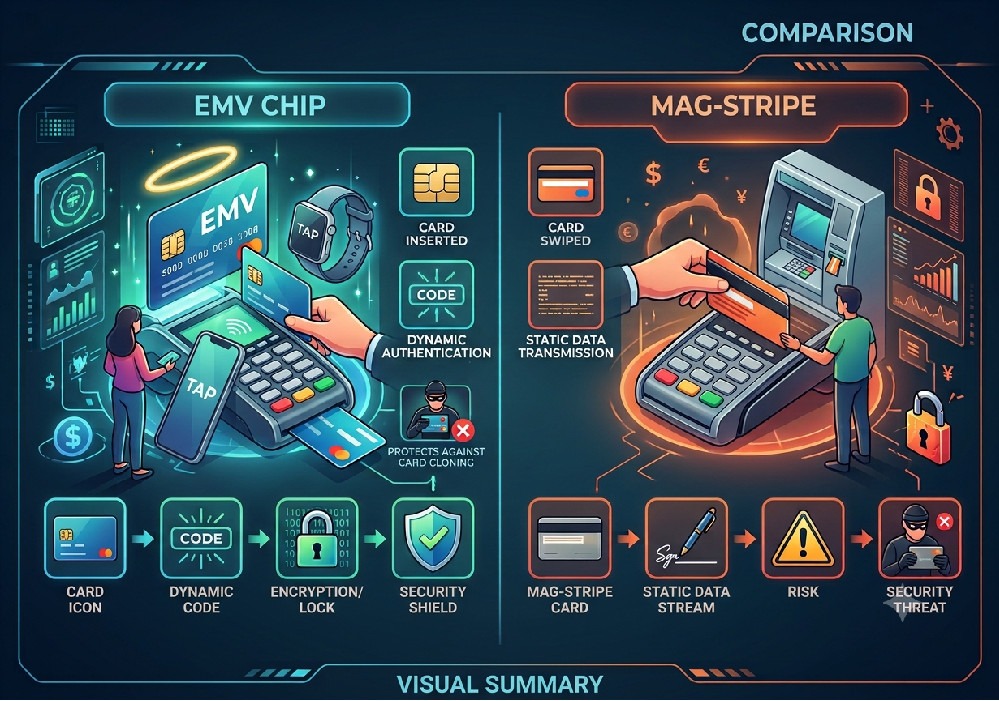
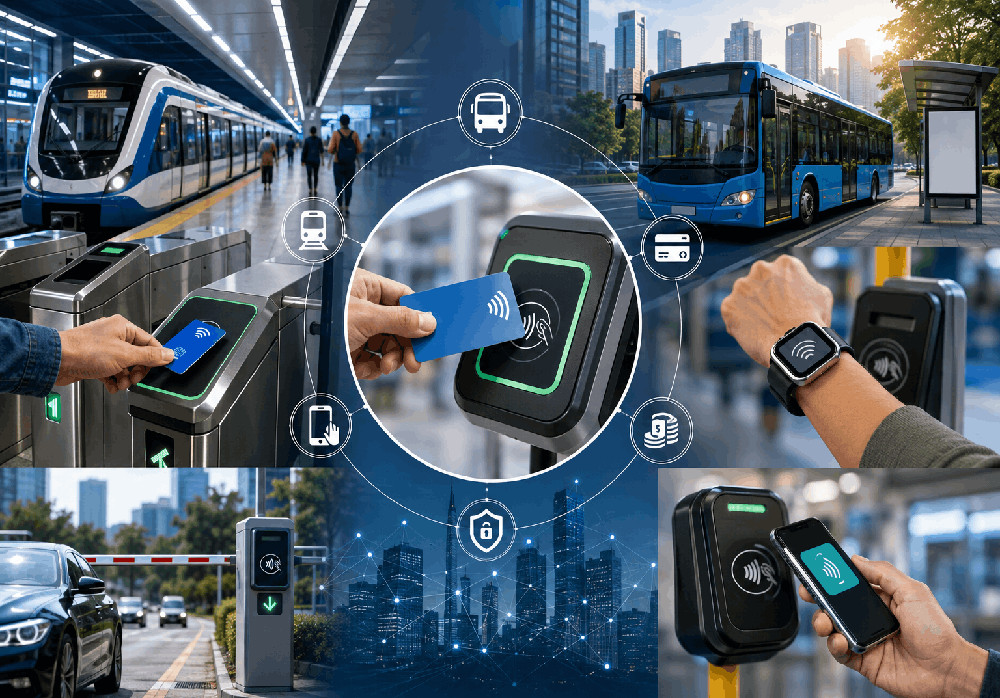
The success of contactless payments is rooted in their simplicity. A user can complete a transaction within seconds by tapping a card, smartphone, or wearable device near a payment reader. Behind this effortless interaction lies a highly advanced system that uses Near Field Communication (NFC) technology to transmit encrypted data securely between devices. Each transaction is processed in real time, ensuring both speed and security without requiring physical contact or manual input.
What makes this system even more powerful is its adaptability. Payments can be made using contactless cards, mobile wallets, smartwatches, or integrated applications, allowing users to choose the most convenient method based on their lifestyle. This flexibility has played a significant role in accelerating global adoption.
The Real Growth Story: Beyond Traditional CAGR
While a 19.1% CAGR provides a high-level view of market growth, a more detailed analysis reveals that the contactless ecosystem is expanding at different speeds across multiple layers. Consumer adoption continues to grow steadily, typically ranging between 15% and 20% annually, driven by increasing familiarity with digital payments and the widespread use of smartphones.
In contrast, the growth of traditional POS infrastructure remains relatively slower, often limited to around 8% to 12% annually due to hardware costs, deployment timelines, and operational constraints. This is where the introduction of SoftPOS changes the equation entirely. By removing the dependency on physical terminals, SoftPOS enables merchants to start accepting payments almost instantly using their existing smartphones. As a result, SoftPOS-driven acceptance is growing at a significantly higher rate, often estimated between 30% and 45% annually in many markets.
This difference in growth rates highlights a critical insight: while consumer demand is increasing steadily, the real acceleration in the payment ecosystem is being driven by faster and more scalable merchant onboarding through software-based solutions.
SoftPOS: Redefining Payment Acceptance
SoftPOS, or Software Point of Sale, represents one of the most important innovations in the payment industry today. Instead of relying on dedicated hardware, SoftPOS transforms NFC-enabled smartphones into secure payment terminals. This shift is not just technological—it is strategic, as it removes one of the biggest barriers to digital payment adoption: infrastructure cost.
For small and medium-sized businesses, delivery agents, and service providers, the ability to accept payments without investing in expensive POS devices is a game changer. Deployment that once took days or weeks can now happen within hours, and scaling operations no longer requires additional hardware procurement.
From a growth perspective, this has a compounding effect. When merchant onboarding becomes faster and more affordable, the number of acceptance points increases rapidly, which in turn drives higher transaction volumes. This creates a positive feedback loop where increased accessibility leads to increased usage, further accelerating the overall market growth.
The Role of Digital Wallets and Tokenization
Another major driver of contactless payment growth is the rapid adoption of digital wallets. These platforms go beyond simply storing card information; they introduce advanced security mechanisms such as tokenization, where sensitive card details are replaced with unique, transaction-specific tokens.
This approach significantly reduces the risk of fraud, as the actual card data is never transmitted during the transaction. When combined with biometric authentication methods like fingerprint scanning or facial recognition, digital wallets offer one of the most secure payment experiences available today.
From a trend perspective, digital wallets are growing at an estimated rate of 25% to 35% annually, and in many developed markets, they already account for more than half of all contactless transactions. This shift is further reinforcing the move toward mobile-first payment ecosystems, where physical cards are gradually becoming secondary.
Changing Transaction Beheviour and Market Dynamics
One of the most interesting trends in the contactless payment space is the change in transaction beheviour. While the total number of transactions is increasing rapidly, often growing at rates of 20% to 25% annually, the overall transaction value is growing at a slightly slower pace, typically between 12% and 15%.
This indicates that contactless payments are increasingly being used for every day, low-to-medium value transactions such as groceries, transport, and quick-service restaurants. SoftPOS further accelerates this trend by enabling micro-merchants and small businesses to accept digital payments, thereby increasing the frequency of transactions across the ecosystem.
As a result, the payment landscape is shifting from fewer high-value transactions to a larger number of smaller, more frequent transactions, creating a more dynamic and inclusive financial ecosystem.
The Shift from Hardware to Software-Driven Payments
Perhaps the most significant transformation in the payment industry is the shift from hardware-centric models to software-driven architectures. Traditional POS systems, which required physical installation and maintenance, are gradually being replaced by flexible, app-based solutions that can be deployed instantly and updated remotely.
This transition is not just improving efficiency—it is fundamentally changing how payment ecosystems scale. Software-driven models allow for continuous innovation, faster updates, and easier integration with other digital services such as loyalty programs, analytics, and financial tools.
In this new environment, certification is no longer a one-time process but an ongoing requirement to ensure that applications remain compliant as they evolve.
The Future of Contactless Payments
As more businesses adopt mobile-first acceptance solutions and consumers increasingly rely on digital payment methods, the ecosystem will become more interconnected and efficient.
The next phase of growth will likely see a significant increase in Tap-on-Phone adoption, particularly in emerging markets where traditional infrastructure is limited.
Contactless payments have already reshaped the way transactions are conducted, but the real transformation is still unfolding.
Businesses that recognize and act on these trends will be better positioned to lead in the rapidly evolving digital payment landscape.