
How the EMV Certification Levels Work Together
In the world of secure payment systems, EMV certification is the cornerstone of global interoperability and fraud prevention. Every payment terminal, from traditional POS devices to advanced SoftPOS applications, must undergo a rigorous multi-level EMV certification process before being deployed for live transactions. These levels — EMV Level 1, Level 2, and Level 3 — […]
Host Message Validation in EMV L3 Certification
When a cardholder taps, inserts, or swipes their card at a POS or SoftPOS device, the transaction data travels far beyond the device itself through payment gateways, acquirer hosts, and card networks before approval or decline. Ensuring the accuracy, consistency, and integrity of these host communications is one of the most critical aspects of EMV […]
Simulating Acquirer Host Behavior for EMV L3 Testing
In the intricate world of digital payments, the reliability of transaction communication between a payment terminal and the acquiring host determines whether a transaction succeeds or fails. Every tap, dip, or swipe on a POS device or SoftPOS application triggers a sophisticated exchange of structured messages, validations, and cryptographic checks between multiple entities the terminal, […]
Designing Modular L3 Test Environments for Multiple Schemes
In the constantly evolving world of digital payments, EMV Level 3 (L3) testing is a critical phase that ensures interoperability, compliance, and performance validation between the payment terminal and the acquirer’s host. As payment ecosystems diversify with multiple card schemes such as Visa, Mastercard, RuPay, American Express (Amex), and Discover, building a flexible, modular, and […]
Integrating Payment Application and Kernel for EMV Level 3 Certification

In today’s digital payment ecosystem, EMV (Europay, Mastercard, and Visa) compliance has become the gold standard for secure, chip-based card transactions. Among the multiple layers of EMV architecture, one of the most crucial yet complex integrations occurs between the EMV Level 2 Kernel and the Payment Application (Level 3)—a relationship that determines whether the entire […]
Terminal Action Code in EMV

Every time a payment card is inserted, tapped, or waved at a POS terminal, a complex sequence of rules quietly determines whether the transaction is approved, declined, or sent online for authorization.At the heart of this decision-making framework lies the Terminal Action Code (TAC) — a crucial element in EMV technology that governs how terminals […]
MQTT in Payment Sound Box
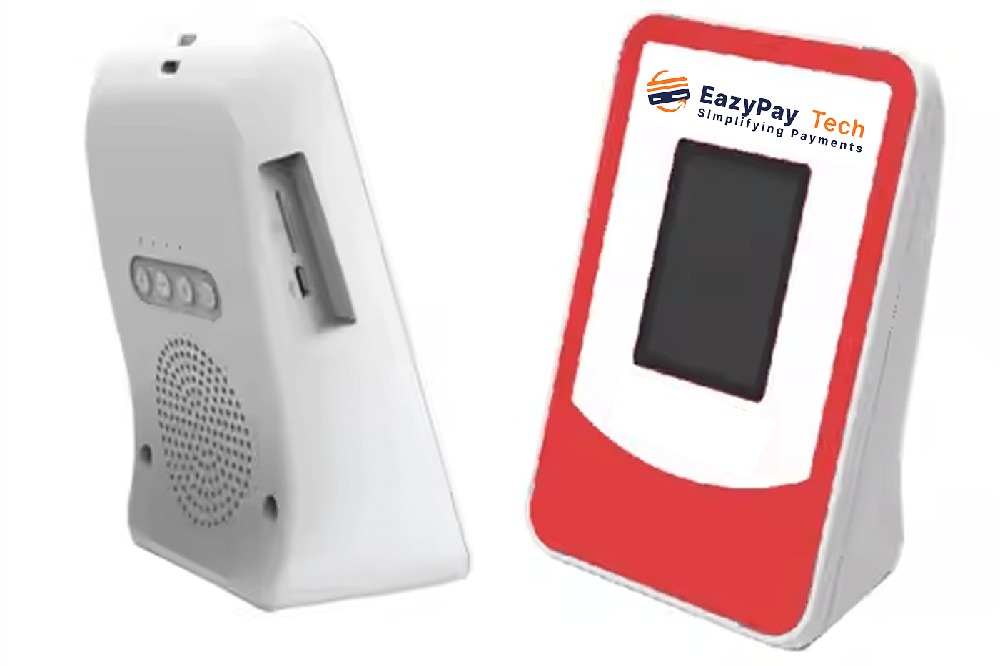
A Payment SoundBox is a compact IoT-enabled device designed to announce payment confirmations through audible voice prompts, usually in the merchant’s preferred language. This device is widely adopted in markets where QR-based, UPI-based, and wallet transactions dominate. By providing instant payment confirmation, the Payment Sound Box reduces disputes, improves transaction transparency, and offers merchants real-time […]
Embedded OS & Firmware of a Payment Soundbox
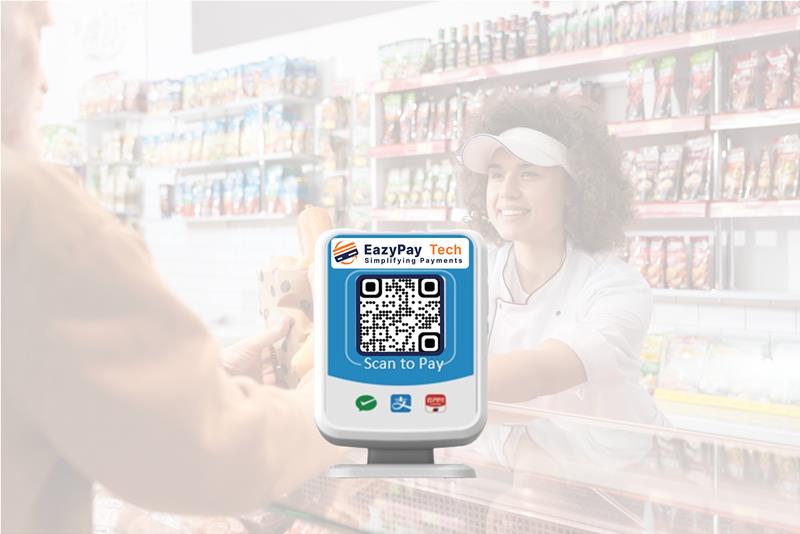
A Payment Soundbox is a specialized IoT device designed to give merchants instant, audible confirmation of digital payments such as UPI, QR code, NFC, and wallet transactions. While the hardware speaker, connectivity modules, and battery is visible, the real intelligence lies in the Embedded OS & Firmware that powers it. The Embedded OS & Firmware […]
Visa vs Mastercard vs RuPay EMV Certification Differences
In today’s global payment ecosystem, security, interoperability, and compliance are not optional; they are fundamental requirements for the acceptance of electronic transactions. EMV certification sits at the very center of this landscape. Named after its original creators EuroPay, Mastercard, and Visa EMV has become the global standard for secure payment card transactions using chip technology. […]
Role of Card & Host Simulators in EMV Certification
The payment ecosystem is built on trust. Every time a card is inserted, tapped, or waved across a POS terminal, ATM, or SoftPOS device, an intricate series of communications occurs between the card, the terminal, the acquiring host, and the payment network. To the end-user, this is a seamless experience that takes just a few […]