
QR Code History and Technical Overview

In the past two decades, the way individuals and businesses exchange information has undergone a massive transformation. Digital payments, online authentication, and data-driven customer engagement have redefined convenience. At the center of this transformation is a deceptively simple but highly powerful technology: the Quick Response (QR) code. Originally invented for industrial use, QR codes are […]
Grid Structure Algorithms and Data Placement in UPI QR Codes
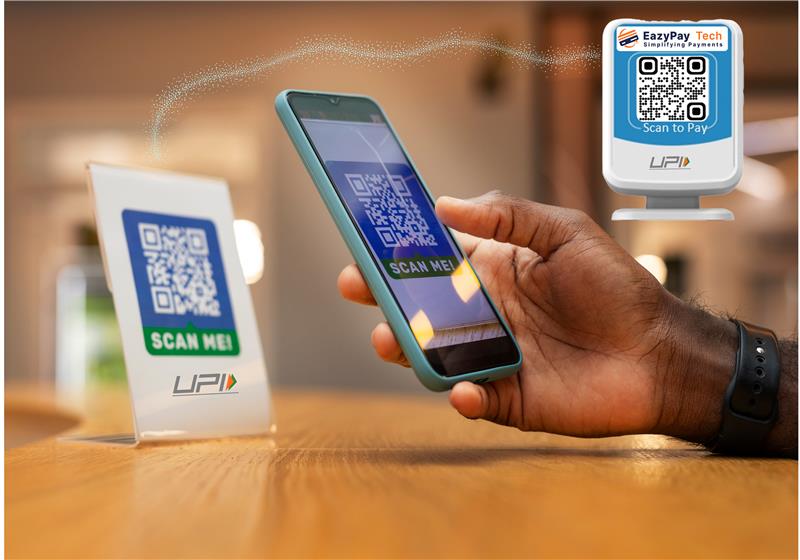
A UPI QR code is far more than a simple arrangement of black and white squares; it represents a carefully engineered two-dimensional data matrix that balances efficiency, reliability, and error resilience. Every square, known as a module, is purposefully positioned to encode digital payment information while ensuring that even under adverse conditions such as smudges, […]
Tools, APIs and Backend Implementation for QR Payment Systems
Building a robust QR based payment system, such as one integrated with UPI, requires a combination of software tools, APIs, secure infrastructure, and efficient backend workflows. This section explores how developers and payment solution providers implement QR code generation, real-time UPI transaction processing, and confirmation mechanisms. QR Code Generation Tools The first step in enabling […]
Advanced Considerations and Optimizations in QR Payment Systems
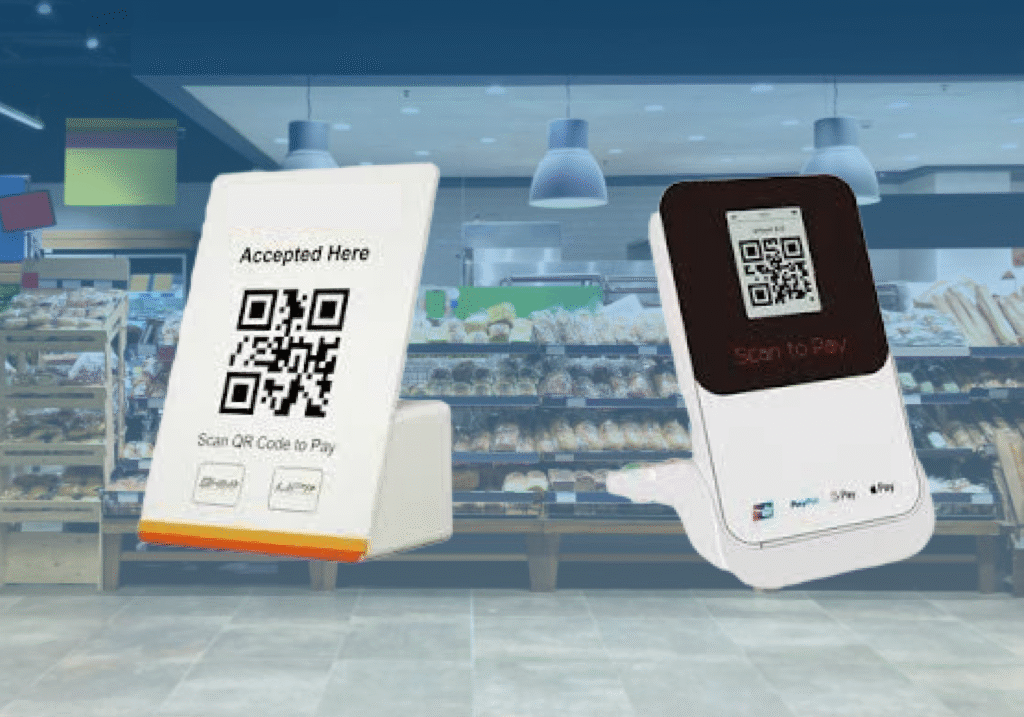
As QR-based payments, particularly UPI transactions, become ubiquitous, payment solution providers must go beyond basic functionality to optimize performance, enhance security, and scale for high-volume environments. Advanced considerations involve refining QR code generation,improving backend infrastructure, and adopting analytics-driven monitoring. Dynamic QR Code Optimization Dynamic QR codes are central to high-volume payment systems because they encode […]
Future of QR Payments and Emerging Technologies

QR based payments have already transformed the financial landscape, particularly in markets like India, China, and Southeast Asia. The combination of simplicity, cost-effectiveness, and interoperability has made QR codes a preferred method for merchants and consumers alike. Looking forward, several emerging technologies and trends promise to enhance security, user experience, and global adoption, making QR […]
EMV L3 Certification for SoftPOS and POS Devices

In today’s rapidly evolving payment ecosystem, EMV certification ensures that payment terminals and software applications operate securely, reliably, and in compliance with global standards set by payment networks like Visa, Mastercard, and RuPay. While EMV Level 2 (L2) certification validates the terminal’s EMV kernel and chip-processing logic, the EMV Level 3 (L3) certification focuses on the […]
Host Message Validation in EMV L3 Certification

When a cardholder taps, inserts, or swipes their card at a POS or SoftPOS device, the transaction data travels far beyond the device itself through payment gateways, acquirer hosts, and card networks before approval or decline. Ensuring the accuracy, consistency, and integrity of these host communications is one of the most critical aspects of EMV […]
Simulating Acquirer Host Behavior for EMV L3 Testing

In the intricate world of digital payments, the reliability of transaction communication between a payment terminal and the acquiring host determines whether a transaction succeeds or fails. Every tap, dip, or swipe on a POS device or SoftPOS application triggers a sophisticated exchange of structured messages, validations, and cryptographic checks between multiple entities the terminal, […]
Designing Modular L3 Test Environments for Multiple Schemes

In the constantly evolving world of digital payments, EMV Level 3 (L3) testing is a critical phase that ensures interoperability, compliance, and performance validation between the payment terminal and the acquirer’s host. As payment ecosystems diversify with multiple card schemes such as Visa, Mastercard, RuPay, American Express (Amex), and Discover, building a flexible, modular, and […]
Integrating Payment Application and Kernel for EMV Level 3 Certification

In today’s digital payment ecosystem, EMV (Europay, Mastercard, and Visa) compliance has become the gold standard for secure, chip-based card transactions. Among the multiple layers of EMV architecture, one of the most crucial yet complex integrations occurs between the EMV Level 2 Kernel and the Payment Application (Level 3)—a relationship that determines whether the entire […]