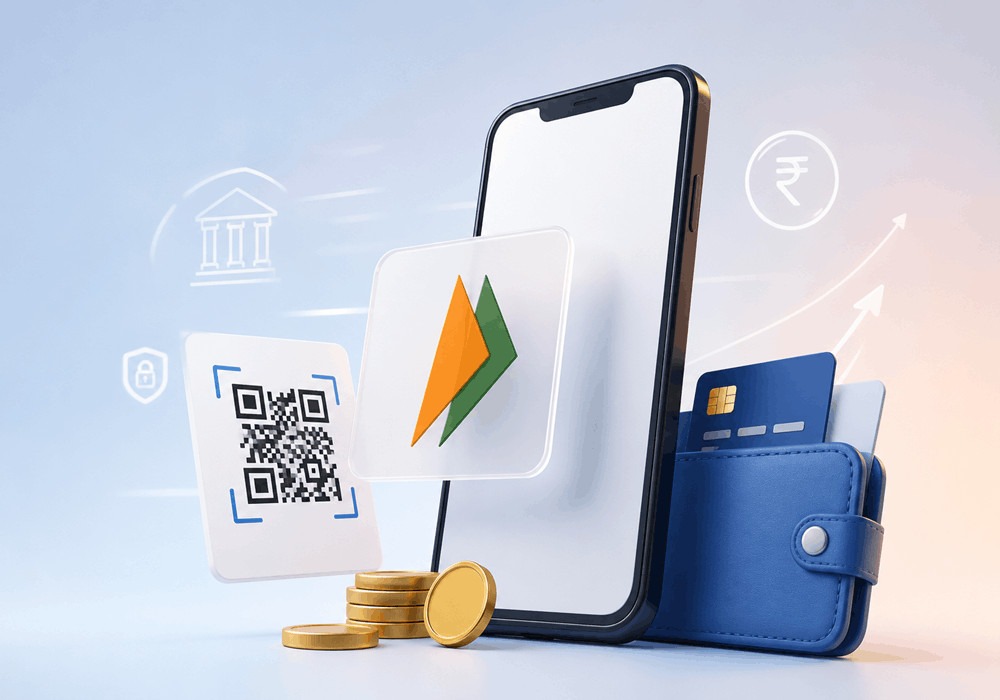

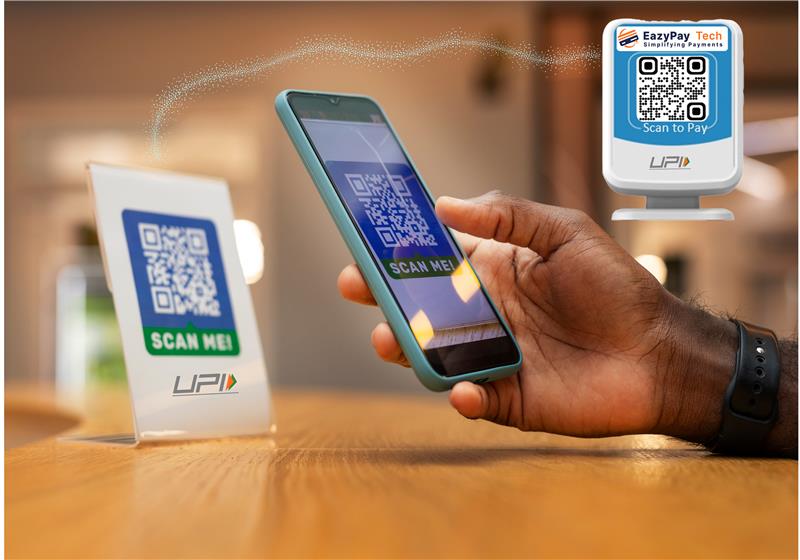
In the past decade, India has witnessed a dramatic transformation in the way people make payments, shifting rapidly from a cash-dominated economy toward one where digital transactions are increasingly becoming the norm. At the heart of this financial revolution lies the Unified Payments Interface, better known by its widely recognized acronym, UPI. Developed and launched by the National Payments Corporation of India (NPCI) in 2016, UPI has become the backbone of India’s digital payment ecosystem by making money transfers as simple as sending a text message. It has fundamentally redefined convenience, enabling millions of users to transfer funds instantly using nothing more than a smartphone, a bank account, and an internet connection.
The vision behind UPI was to create a unified, interoperable platform that would eliminate the friction and complexities traditionally associated with electronic money transfers. Before UPI, consumers relied on multiple banking instruments like NEFT, RTGS, or IMPS, each requiring different sets of credentials, time windows, and sometimes even manual intervention. With UPI, those barriers were dismantled, and a seamless, 24×7 real-time payment network was born. Today, individuals and businesses alike use UPI not just for transferring money but also for paying utility bills, making e-commerce purchases, booking tickets, splitting expenses, and settling merchant payments at shops of all sizes.
One of the most striking aspects of UPI is its inclusivity. The platform was designed to be interoperable, which means that regardless of the bank where a customer maintains their account, they can use any UPI-enabled mobile application to make or receive payments. This interoperability has been a key driver of UPI’s adoption. A customer can use Google Pay to pay a merchant who might be using Paytm, or a student can use PhonePe to settle dues with a landlord who banks with a completely different institution. This cross-platform compatibility created a level playing field and encouraged competition, resulting in the rapid innovation of UPI-enabled apps and services that offer new features, cashback rewards, and user-friendly interfaces.
The growth trajectory of UPI has been nothing short of extraordinary. In its initial months, adoption was slow as people were still adjusting to the idea of mobile-first banking. However, the government’s demonetization drive in late 2016 gave UPI a significant boost as millions of citizens and merchants sought cashless alternatives. By removing the dependency on cards and point-of-sale terminals, UPI gave even small vendors and local businesses the power to accept digital payments simply by generating a QR code. Over the years, the system has scaled phenomenally, processing billions of transactions every month, and it continues to break its own records year after year.
Another reason for UPI’s success is its ability to cater to both the urban, tech-savvy population and the rural masses. While city dwellers embraced UPI for its convenience in online shopping and restaurant payments, rural merchants and farmers adopted it as a means to receive money instantly without needing sophisticated banking infrastructure. This inclusivity has democratized digital payments and contributed to the government’s larger goal of building a cashless economy. Today, even street vendors, auto-rickshaw drivers, and local grocers display QR codes prominently, allowing customers to pay digitally without carrying exact change.
At its core, UPI is not just about moving money from one account to another; it is about trust, transparency, and empowerment. Trust comes from the fact that the platform is regulated by the Reserve Bank of India (RBI) and operated by NPCI, ensuring that every transaction is governed by strict security protocols. Transparency is achieved by providing real-time notifications to both payer and payee, leaving no room for disputes. And empowerment stems from the way UPI has allowed individuals and businesses of all sizes to participate in the digital economy, without barriers of geography or financial status.
The cultural impact of UPI cannot be overstated either. In a country where bargaining and micro-payments are integral to daily commerce, UPI has enabled people to transact effortlessly, whether they are buying a cup of tea from a roadside stall or purchasing electronics from a large retailer. The system has fostered a sense of financial inclusion, where digital transactions are no longer the domain of the elite but are accessible to anyone with a smartphone. The ease of use, speed of settlement, and widespread acceptance have together created a behavioral shift in how Indians perceive money and payments.
Moreover, the role of UPI extends beyond domestic use. It has become a model of innovation that other countries are now studying and, in some cases, adopting. International collaborations are underway to link UPI with payment networks abroad, paving the way for cross-border transactions that could one day make remittances faster and more affordable. This global relevance underscores UPI’s success story, showing that a homegrown payment solution has the potential to reshape financial systems worldwide.
As UPI continues to evolve, new features such as UPI Lite for small offline payments, UPI AutoPay for recurring transactions, and even credit on UPI are being introduced. These innovations further enhance its utility, making it more versatile than ever. But alongside this evolution, one aspect remains constant: the need for instant trust-building between customers and merchants during every transaction. This is where solutions like the Payment Soundbox come into play, providing audible confirmations that assure merchants of successful payments, even in busy and noisy environments.
In summary, UPI represents far more than a payment interface—it is a revolution that has transformed India’s financial landscape by making digital payments ubiquitous, simple, and reliable. Its rise has empowered consumers, strengthened merchants, and inspired innovation across industries. As we move deeper into this discussion, we will explore not only how UPI transactions technically work but also how complementary technologies like the Payment Soundbox enhance the overall experience, creating a future where cashless payments are trusted, inclusive, and universal.
Understanding UPI and Its Ecosystem
The Unified Payments Interface (UPI) is not merely a mobile application or a digital wallet; it is a robust, interoperable ecosystem designed to facilitate instant money transfers between banks, merchants, and consumers. To truly appreciate the transformative impact of UPI on India’s financial landscape, it is essential to understand its ecosystem, the key players involved, and how they interact seamlessly to deliver real-time transactions.
At the center of this ecosystem is the National Payments Corporation of India (NPCI), a government-backed organization responsible for operating retail payment systems in India. NPCI’s role is pivotal—it provides the technical infrastructure, regulatory compliance, and interoperability framework that allows banks and third-party applications to communicate and transact without friction. Essentially, NPCI acts as the backbone of the UPI system, ensuring that every transaction is routed correctly, securely, and instantly, regardless of the banks or applications involved.
The banking partners form another critical component of the UPI ecosystem. For a UPI transaction to occur, both the sender and the receiver must have accounts with banks that are part of the UPI network. These banks, also called participant banks, are responsible for verifying account balances, authenticating users, and ultimately transferring funds. The beauty of UPI lies in its interoperability: a customer using a UPI-enabled app linked to Bank A can instantly transfer money to a merchant whose account is with Bank B, without worrying about the complexities of NEFT, RTGS, or IMPS. This interconnectivity has dramatically simplified digital payments, reducing the friction of traditional banking.
Payment Service Providers (PSPs) and UPI applications play a critical role in bridging the gap between banks and end-users. Apps like Google Pay, PhonePe, Paytm, and BHIM are not just convenient interfaces—they also ensure secure access to bank accounts, provide intuitive payment flows, and offer additional services such as bill payments, merchant integrations, and cashback rewards. These PSPs leverage NPCI’s infrastructure while adding value through user-friendly features that drive adoption. Each PSP must comply with stringent regulations from both the RBI and NPCI, ensuring that user data is protected and transactions are processed securely.
In addition to banks and PSPs, the ecosystem includes merchants, who form the backbone of UPI adoption at the retail level. Merchants range from large retailers to small shopkeepers and street vendors. UPI has empowered them by providing a low-cost, fast, and secure mechanism to receive payments. Unlike traditional card-based payment systems that require expensive Point-of-Sale (POS) terminals and payment gateways, UPI allows merchants to accept payments simply via a QR code or UPI ID. This democratization of payment acceptance has accelerated the penetration of digital payments into small and medium enterprises, which previously relied heavily on cash transactions.
Another crucial aspect of the ecosystem is the end-user, i.e., the customer, who initiates the UPI transaction. Users link their bank accounts to a UPI-enabled app, create a virtual payment address (VPA), and can start sending or receiving money instantly. The simplicity of this interface masks the sophisticated processes running in the background, including authentication, tokenization, and fund settlement. The ecosystem ensures that even first-time users can send money using a mobile number, UPI ID, or by scanning a merchant’s QR code, making digital payments accessible to a wide demographic.
Supporting technology infrastructure is also vital to UPI’s smooth operation. Cloud-based servers, real-time transaction processing engines, APIs connecting banks and PSPs, and secure messaging protocols form the unseen machinery behind every successful transaction. The system operates 24×7, capable of handling millions of transactions simultaneously while maintaining high standards of uptime, speed, and security. This infrastructure is continuously monitored and updated to accommodate new features, increased transaction volumes, and evolving security requirements.
UPI’s ecosystem also extends into compliance and regulation, which are essential for maintaining trust. The Reserve Bank of India (RBI) sets the overarching guidelines for digital payments, while NPCI ensures that all participant banks and PSPs adhere to these norms. This regulatory framework mandates encryption, two-factor authentication, transaction limits, and fraud monitoring mechanisms, ensuring that users can transact with confidence. Moreover, compliance extends to consumer protection measures, dispute resolution, and secure handling of sensitive financial data.
Finally, the ecosystem has evolved to integrate complementary devices and services, most notably the Payment Soundbox, which provides real-time audible alerts to merchants upon successful UPI transactions. By bridging the gap between digital payment initiation and merchant confirmation, Soundboxes enhance operational efficiency, reduce disputes, and improve customer experience, particularly in environments where smartphone notifications alone may not be sufficient.
In essence, the UPI ecosystem is a highly interconnected network of banks, NPCI, PSPs, merchants, technology infrastructure, and end-users, all working together to deliver seamless, instant, and secure payments. It is this collaborative framework that allows UPI to process billions of transactions monthly, drive financial inclusion, and foster trust in digital payments across India. By understanding each element of this ecosystem, businesses, developers, and merchants can better leverage UPI’s capabilities, ensuring that transactions are not only quick and convenient but also reliable and secure.
How UPI Transactions Work: Step-by-Step
Unified Payments Interface (UPI) is celebrated for its simplicity from the user’s perspective—send money, receive money, or pay a merchant with just a few taps on a smartphone. However, behind this simplicity lies a sophisticated, multi-layered process that ensures funds move securely and instantaneously from one bank account to another. Understanding this step-by-step flow is crucial for merchants, fintech professionals, and businesses looking to leverage UPI as a primary payment method.
Step 1: Customer Initiation
Every UPI transaction begins with the customer initiating a payment through a UPI-enabled application. Users have multiple ways to start a transaction: scanning a merchant’s QR code, entering the merchant’s Virtual Payment Address (VPA), or using the recipient’s bank account and IFSC details. QR code scanning has become the most common method, particularly in retail and small-scale merchant environments, as it eliminates the need for customers to manually input bank details, reducing errors and accelerating checkout.
Once the payment destination is selected, the customer enters the amount to be transferred. At this stage, the UPI application validates the input locally, ensuring it conforms to limits set by the bank or regulatory guidelines. For instance, UPI has daily transaction limits that vary depending on the bank or the app used. This initial step, though seemingly simple, involves multiple validations in the background to prevent errors or unauthorized transactions.
Step 2: Authentication and Authorization
After the transaction is initiated, the customer must authenticate themselves. UPI uses a two-factor authentication mechanism, as mandated by the Reserve Bank of India (RBI). The first factor is the customer’s smartphone login or app access, and the second factor is the UPI Personal Identification Number (PIN), which is unique for each linked bank account. The UPI PIN serves as a secure authorization code, ensuring that only the account holder can initiate the payment.
The process also involves tokenization and encryption, which are critical for safeguarding sensitive financial information. For example, the app does not transmit the actual bank credentials; instead, it uses encrypted tokens that represent the account details. This ensures that even if the communication channel is intercepted, the attacker cannot extract usable information. These security layers operate in the background without interrupting the user experience, allowing the payment to proceed smoothly and securely.
Step 3: Bank-Level Communication
Once authentication is successful, the transaction request is sent to the payer’s bank, also called the remitting bank. The bank verifies whether the customer’s account has sufficient balance and whether the transaction complies with regulatory and internal bank rules. Upon successful validation, the bank forwards the transaction request to NPCI’s UPI switch, which acts as the central clearing and settlement hub.
NPCI’s UPI switch is responsible for routing the transaction to the correct beneficiary bank, also called the receiving or payee bank. The switch operates in real-time, handling millions of transactions per second while maintaining high reliability and low latency. This system is designed for scalability, ensuring that even during peak periods such as festive seasons or digital sale events, transactions are processed without delays.
Step 4: Settlement at the Beneficiary Bank
Upon receiving the transaction instruction from NPCI, the beneficiary bank credits the merchant or recipient’s account. This process is instantaneous, a significant advantage over traditional bank transfers like NEFT or RTGS, which may take hours or even days. Simultaneously, both the payer and the payee receive real-time notifications confirming the successful completion of the transaction. These notifications are critical for transparency, enabling immediate confirmation and reducing disputes.
Settlement is not limited to account crediting alone; it also involves reconciliation and reporting. Banks and NPCI maintain logs of each transaction for auditing, compliance, and dispute resolution purposes. This ensures that any discrepancies, such as failed transactions or duplicate debits, can be quickly identified and resolved.
Step 5: Merchant Notification
While the transaction is completed in the banking system, merchants need instant acknowledgment to confirm that they have received the payment. Traditionally, apps send notifications to merchant smartphones, but this can be unreliable in busy shops or noisy environments. This is where technologies like the Payment Soundbox become critical. The Soundbox provides an audible alert whenever a UPI payment is successfully credited, ensuring the merchant is immediately aware of the transaction without checking the phone repeatedly.
This audible confirmation is particularly useful for high-volume merchants, markets, and service environments such as restaurants, fuel stations, and retail outlets. It not only improves operational efficiency but also builds trust with customers, as both parties can verify the payment in real-time.
Step 6: End-to-End Security Checks
Throughout the transaction, multiple security mechanisms ensure the integrity and authenticity of the payment. These include end-to-end encryption, dynamic authentication, and transaction tokenization. NPCI, banks, and PSPs continuously monitor for fraudulent activity, such as multiple rapid transactions, unusual payment patterns, or potential account takeover attempts. Any suspicious activity triggers automatic alerts and, if necessary, halts the transaction to prevent losses.
The system also complies with RBI and NPCI guidelines, including daily transaction limits, two-factor authentication, and secure storage of user credentials. These measures collectively create a safe, robust, and user-friendly payment experience, which is crucial for both merchant adoption and customer confidence.
Step 7: Optional Value-Added Features
Many UPI-enabled apps and Payment Soundboxes offer value-added features. These include transaction analytics, batch settlements for merchants, integration with Point-of-Sale (POS) software, multi-language notifications, and reporting dashboards. These capabilities enhance the overall usability of UPI, providing merchants with insights into sales patterns, peak transaction times, and customer behavior, which can inform business decisions.
Step 8: Summary of the Flow
To summarize, a UPI transaction follows this logical sequence:
- Customer initiates the transaction via app or QR code.
- Authentication is performed using UPI PIN and tokenization.
- The payer bank validates and forwards the transaction to NPCI.
- NPCI routes the transaction to the payee bank.
- The beneficiary account is credited instantly.
- Merchant receives confirmation via app notification or Soundbox alert.
- Security checks and compliance mechanisms are executed in parallel.
The elegance of UPI lies in how complex banking operations are abstracted into a simple, intuitive user experience. The combination of real-time fund settlement, robust security, and merchant-friendly acknowledgment mechanisms like the Soundbox ensures that UPI is not only fast and convenient but also reliable and trustworthy.
The Journey of Money – From Bank to Merchant
One of the most remarkable aspects of UPI is its ability to facilitate instantaneous fund transfers, ensuring that payments reach merchants in real-time. Unlike traditional banking methods such as NEFT or RTGS, which can take hours or even days to settle, UPI was designed from the ground up to provide real-time credit to merchant accounts, enabling a seamless and reliable transaction experience. Understanding the journey of money from a customer’s bank account to the merchant’s account is crucial for businesses and financial professionals seeking to leverage the UPI ecosystem effectively.
Step 1: Initiation and Request Transmission
The journey begins the moment a customer decides to make a payment. This could occur at a retail shop, online portal, or service outlet. The customer uses a UPI-enabled app to initiate the transaction, either by scanning the merchant’s QR code, entering their Virtual Payment Address (VPA), or providing mobile/IFSC details. This action generates a payment request that is securely transmitted to the customer’s bank. At this stage, the request carries essential details such as the transaction amount, merchant information, timestamp, and a unique transaction identifier to ensure traceability.
This step is not just about sending data—it also triggers multiple background checks, including verifying the merchant’s account details, ensuring the requested amount does not exceed daily limits, and validating that the customer’s bank account has sufficient balance. These checks are executed within milliseconds, yet they are critical for ensuring a smooth and error-free transaction.
Step 2: Payer Bank Processing
Upon receiving the payment request, the payer’s bank validates the transaction. It checks the customer’s account balance and verifies that the transaction aligns with RBI guidelines and internal bank rules. If any issue arises, such as insufficient funds or suspicious activity, the transaction is rejected instantly, and a notification is sent to the customer.
For valid transactions, the payer bank forwards the payment details to the National Payments Corporation of India (NPCI) through a secure, encrypted channel. NPCI serves as the central clearing and settlement system, ensuring that funds are routed accurately and efficiently from the payer bank to the payee bank. This process is a cornerstone of UPI’s reliability, as NPCI’s robust infrastructure handles millions of transactions simultaneously while maintaining high speed and uptime.
Step 3: Routing through NPCI
Once the transaction reaches NPCI, it is validated again for compliance, security, and routing accuracy. NPCI’s system determines which payee bank should receive the funds based on the merchant’s VPA or bank account details. This routing mechanism is seamless, allowing interoperability across banks and payment applications. The system assigns a unique reference ID to every transaction, which acts as a digital fingerprint, ensuring that each payment is traceable and auditable from start to finish.
NPCI also performs real-time fraud detection and risk monitoring at this stage. By analyzing transaction patterns, amounts, frequencies, and geographical locations, NPCI can flag suspicious transactions before they are completed. This proactive approach ensures the safety of both customers and merchants while maintaining the trust necessary for widespread adoption of UPI payments.
Step 4: Beneficiary Bank Processing
After NPCI routes the transaction, the payee or merchant’s bank receives the instruction to credit the merchant account. The bank verifies that the receiving account is valid and eligible to accept the funds. Once approved, the payment is instantly credited, and the merchant’s account balance reflects the updated amount in real-time.
This instantaneous credit is a major advantage for merchants, especially small and medium enterprises that rely on daily cash flow. Traditional settlements required waiting periods, manual reconciliations, or batch processing, which delayed access to funds. UPI eliminates these barriers, providing immediate liquidity and empowering merchants to focus on business operations without financial delays.
Step 5: Merchant Notification Systems
While the transaction technically completes at the bank level, merchants need instant acknowledgment to continue serving customers efficiently. Here, UPI-enabled notifications come into play. Most UPI apps send real-time push notifications to the merchant’s smartphone, informing them of the successful payment. These notifications include details such as the amount received, payer information, timestamp, and reference ID.
However, in busy environments such as markets, retail stores, or restaurants, smartphone notifications alone may not be sufficient. Merchants may be attending to multiple customers simultaneously and might miss a visual alert. To address this gap, Payment Soundboxes are deployed. A Soundbox is a small device connected to the merchant’s account that emits audible confirmation alerts whenever a UPI transaction is successfully completed. These alerts are usually multi-language and designed to be audible even in noisy surroundings. By providing real-time, audible confirmation, Soundboxes reduce the risk of disputes, enhance operational efficiency, and build trust between the customer and the merchant.
Step 6: Reconciliation and Reporting
After funds are credited and notifications are sent, the transaction enters the reconciliation phase. Both the payer and payee banks maintain detailed logs of the transaction, capturing every detail from initiation to settlement. These logs are essential for audit purposes, dispute resolution, and regulatory compliance. NPCI also generates reports summarizing daily transaction volumes, value transfers, and anomalies. For merchants, these reconciliations can be automated through POS integration, accounting software, or dashboards provided by PSPs, ensuring financial transparency and simplifying bookkeeping.
Step 7: Security and Fraud Prevention
Throughout the journey of money, multiple layers of security operate silently in the background. Data is encrypted end-to-end, tokens are used to replace sensitive account information, and real-time monitoring systems analyze transaction patterns for potential fraud. These security protocols protect both the customer’s funds and the merchant’s receivables, making UPI one of the safest payment methods in India. Payment Soundboxes complement this security by providing visible and audible confirmation, ensuring that the merchant is immediately aware of genuine transactions and can act accordingly.
Step 8: Benefits of the Real-Time Journey
The instantaneous and transparent movement of funds from bank to merchant offers several key advantages:
- Operational efficiency: Merchants can serve more customers without delays.
- Reduced disputes: Immediate confirmation minimizes transaction disagreements.
- Financial empowerment: Small businesses gain instant access to funds for reinvestment.
- Trust building: Customers are confident that payments are received instantly.
By seamlessly integrating banking infrastructure, NPCI routing, app interfaces, and notification systems like Payment Soundboxes, UPI ensures that money moves quickly, securely, and reliably, benefiting every stakeholder in the payment ecosystem.
Role of Payment Soundbox in UPI Transactions
While UPI has revolutionized the digital payments landscape in India, providing instant, seamless, and secure fund transfers, the ecosystem for merchants presented a unique challenge: how to ensure immediate acknowledgment of successful payments. This challenge is particularly significant in busy retail environments, small-scale shops, and high-volume markets where checking a smartphone for every transaction is impractical. Enter the Payment Soundbox, a dedicated device designed to complement UPI payments by offering real-time audible confirmation for merchants, thereby enhancing operational efficiency, trust, and customer satisfaction.
A Payment Soundbox is a compact, standalone device that connects to a merchant’s bank account or UPI application through secure APIs. It is designed to detect completed transactions instantly and provide audible alerts to notify the merchant. Unlike relying solely on push notifications from a smartphone, a Soundbox ensures that the merchant is aware of every payment in real-time, even in noisy, crowded, or busy environments. This innovation is particularly critical for small and medium businesses, street vendors, restaurants, fuel stations, and retail outlets, where manual verification of each payment can slow operations and potentially frustrate customers.
The device is generally lightweight, durable, and designed for continuous use in commercial settings. It is powered either by a rechargeable battery or a plug-in power source, depending on the model. Advanced models also include features such as GPRS, Wi-Fi, or 4G connectivity to ensure uninterrupted communication with the UPI system.
How Payment Soundbox Integrates with UPI
Integration of a Soundbox with the UPI ecosystem is straightforward yet sophisticated. Once the merchant links the Soundbox to their UPI-enabled account, the device receives real-time transaction data directly from the bank or Payment Service Provider (PSP) via encrypted channels. Each payment processed through UPI is instantly verified, and the Soundbox generates a distinct audible confirmation, often accompanied by visual indicators like LED lights.
The Soundbox supports multi-bank and multi-UPI app environments, meaning it can recognize transactions from various apps such as Google Pay, PhonePe, Paytm, or BHIM. This interoperability is crucial in India’s diverse payments landscape, where customers may use different apps to pay the same merchant. By consolidating notifications into one device, the Soundbox simplifies transaction monitoring, reduces the risk of missed payments, and provides merchants with a single, reliable confirmation source.
Benefits for Merchants
The introduction of a Payment Soundbox into the UPI ecosystem brings several key benefits:
- Instant Confirmation: Merchants no longer need to rely solely on smartphone notifications. The Soundbox emits a clear, audible alert within seconds of a transaction completing, allowing merchants to focus on serving customers rather than constantly checking their phones.
- Operational Efficiency: By providing immediate acknowledgment, Soundboxes streamline payment acceptance, reduce customer wait times, and minimize errors or disputes. In high-traffic environments such as retail stores or street markets, this efficiency translates into higher throughput and improved customer satisfaction.
- Trust Building: Both merchants and customers benefit from visible and audible transaction confirmation. Customers gain confidence knowing their payment has been received instantly, while merchants can confidently continue operations without manual verification.
- Multi-Language Support: Many Soundboxes are equipped with multi-language capabilities, catering to India’s diverse linguistic landscape. Audible alerts can be configured in regional languages, making them accessible and understandable to merchants across different states and communities.
- Security and Fraud Prevention: Soundboxes also play a role in security. By confirming only authenticated transactions, they help merchants detect and prevent fraudulent activities or duplicate payments. Additionally, integration with encrypted channels ensures that transaction data is secure, protecting both the merchant and the customer.
- Data and Analytics: Advanced Soundboxes provide dashboards and logs that allow merchants to track transaction history, peak payment times, and payment trends. This data is valuable for financial planning, inventory management, and understanding customer behavior.
Real-World Use Cases
Payment Soundboxes have become indispensable in high-volume transaction environments:
- Retail Stores: Shopkeepers can focus on attending to customers while the Soundbox alerts them to payments.
- Street Vendors and Food Stalls: Vendors with minimal infrastructure benefit from real-time confirmation without relying on smartphones.
- Restaurants and Cafes: Payments for multiple orders can be tracked effortlessly, reducing errors and improving service speed.
- Fuel Stations: Audible alerts ensure instant acknowledgment of payments while managing other operational tasks.
Enhancing Customer Experience
The Soundbox not only benefits merchants but also improves the overall customer experience. When a customer pays via UPI and hears the merchant confirm the transaction instantly, it reduces anxiety about failed or delayed payments. This builds confidence in digital payments, encouraging more users to adopt UPI for everyday transactions.
Future Integrations
As UPI evolves with features such as recurring payments, UPI Lite, and international remittances, Payment Soundboxes are expected to evolve as well. Future iterations may include AI-enabled voice alerts, integration with POS software, IoT-based cloud monitoring, and advanced analytics. This ensures that merchants continue to benefit from enhanced operational efficiency while maintaining trust and reliability in digital payments.
Security & Compliance in UPI Payments
The success of UPI as India’s dominant digital payment platform is not solely due to its convenience and speed; it is equally rooted in its robust security framework and strict regulatory compliance. In any digital payment ecosystem, trust is paramount. Customers and merchants must be assured that every transaction is safe, accurate, and irrevocable. UPI achieves this through a multi-layered approach that combines banking regulations, encryption technologies, authentication protocols, and continuous monitoring, making it one of the most secure payment methods in the world.
Encryption and Tokenization
At the heart of UPI security is end-to-end encryption, which ensures that all transaction data exchanged between the payer, payee, banks, and NPCI is fully protected. When a customer initiates a payment, sensitive information such as account numbers, Virtual Payment Addresses (VPA), and transaction amounts are encrypted before leaving the device. This encrypted data is transmitted over secure channels, making it virtually impossible for attackers to intercept or tamper with the information.
Tokenization further enhances security by replacing sensitive financial data with randomly generated tokens during transactions. For example, a merchant never sees the customer’s actual bank account number. Instead, the UPI system uses tokens to represent account details, which are valid only for a specific transaction. This means that even if a token were intercepted, it could not be reused for unauthorized payments. Tokenization is particularly crucial for protecting consumers from fraud while enabling seamless transaction processing.
Two-Factor Authentication (2FA)
UPI complies with the RBI-mandated two-factor authentication (2FA) requirement for electronic payments. The first factor is typically the customer’s access to their mobile device and app login credentials, while the second factor is the UPI Personal Identification Number (PIN). This two-step verification ensures that even if a device is compromised, unauthorized access to a bank account is highly unlikely.
The 2FA system also plays a critical role in merchant security. By confirming payments through PIN-based authentication, the system guarantees that only the authorized account holder can initiate transactions, protecting businesses from unauthorized debits.
RBI and NPCI Compliance
All UPI transactions adhere strictly to Reserve Bank of India (RBI) guidelines, which define operational standards, transaction limits, dispute resolution mechanisms, and customer protection policies. NPCI, as the operator of UPI, enforces these standards across participating banks and Payment Service Providers (PSPs). Compliance is not optional; it is enforced through certifications, regular audits, and mandatory reporting of anomalies.
RBI regulations also mandate daily transaction caps, fraud detection protocols, and mandatory alerts to ensure transparency and accountability. This compliance framework ensures that both customers and merchants can transact with confidence, knowing that the system is monitored and regulated at multiple levels.
Fraud Detection and Monitoring
UPI’s infrastructure incorporates real-time fraud monitoring and anomaly detection systems. Advanced algorithms continuously analyze transaction patterns for unusual behavior, such as multiple rapid transactions from a single account, cross-border anomalies, or unusually high-value transfers. If a suspicious activity is detected, the system can automatically halt the transaction and alert the relevant stakeholders, preventing potential financial losses.
For merchants, this system provides an additional layer of protection. They can rely on audible confirmations from Payment Soundboxes to verify that the funds received correspond to legitimate, authenticated transactions. Any discrepancies between app notifications and Soundbox alerts can signal potential fraud or network issues, allowing immediate corrective action.
Role of Payment Soundbox in Secure Confirmations
While UPI’s backend security ensures that funds are transferred safely, merchants require instant, verifiable acknowledgment to prevent disputes and errors. Payment Soundboxes serve this purpose by providing real-time, audible confirmations for every successful transaction. This feature not only reassures the merchant but also serves as a secondary verification mechanism, complementing digital notifications from UPI apps.
The Soundbox receives encrypted transaction data from the bank or PSP, decrypts it securely, and generates an audible confirmation. Because this process is fully automated and secure, merchants can trust that every alert corresponds to an authenticated transaction. Multi-language support ensures that alerts are easily understandable, reducing the chance of human error and enhancing operational security.
Compliance with Data Privacy
UPI and Payment Soundboxes also follow strict data privacy protocols, ensuring that customer and merchant data is not stored or misused without authorization. Sensitive information, such as bank account numbers and transaction details, is never exposed in plain text. Additionally, Soundboxes are designed to comply with security standards, preventing unauthorized access or tampering.
Benefits of Secure UPI Payments
The layered security and compliance mechanisms offer multiple benefits:
- Consumer Trust: Customers feel confident that their money is safe and transactions are instantaneous.
- Merchant Protection: Real-time confirmation and fraud alerts reduce the risk of financial loss.
- Operational Efficiency: Secure, automated processing eliminates manual reconciliation delays.
- Regulatory Assurance: Compliance with RBI and NPCI guidelines ensures legal and operational conformity.
UPI’s security and compliance framework, combined with innovative devices like the Payment Soundbox, creates a robust, trusted ecosystem for digital transactions. Encryption, tokenization, two-factor authentication, and real-time monitoring work hand-in-hand with audible confirmations to provide a seamless, safe, and transparent payment experience for merchants and customers alike.
Benefits of UPI + Soundbox for Merchants & Customers
The convergence of UPI’s seamless payment infrastructure and the Payment Soundbox’s real-time audible confirmations has created a powerful ecosystem that benefits both merchants and customers. Together, these technologies not only simplify financial transactions but also enhance trust, operational efficiency, and overall user experience. By examining the key advantages, businesses and consumers can better appreciate why adopting UPI with Soundbox integration is transformative for India’s digital payments landscape.
- Instant Payment Confirmation
One of the most tangible benefits of integrating a Payment Soundbox with UPI is instant transaction acknowledgment. When a customer initiates a payment, the funds are transferred and credited in real-time. Simultaneously, the Soundbox emits an audible alert, notifying the merchant that the payment has been successfully received. This eliminates the need for manual verification or reliance solely on smartphone notifications, which can be missed in busy or noisy retail environments.
For customers, this instant confirmation provides peace of mind, assuring them that their payment has been acknowledged and processed correctly. For merchants, it enables uninterrupted operations, reducing queues, speeding up checkouts, and improving overall service quality.
- Enhanced Operational Efficiency
Merchants handling high-volume transactions often face challenges related to time management, verification delays, and payment disputes. With a Payment Soundbox, these issues are significantly mitigated. The device provides automated alerts for every transaction, allowing merchants to focus on serving customers rather than constantly checking smartphones or bank statements.
Operational efficiency is further enhanced through features like multi-bank and multi-UPI app compatibility, ensuring that payments from any source are instantly recognized. This streamlining of payment verification reduces human error, minimizes customer wait times, and accelerates overall business workflows.
- Improved Trust and Transparency
Trust is a critical factor in digital payments, particularly for small businesses and street vendors where customers may be wary of electronic transactions. The combination of UPI’s secure transaction infrastructure and the Soundbox’s audible confirmation fosters confidence and transparency. Customers can hear that their payment has been successfully received, while merchants can verify transactions in real-time.
This transparency also reduces the likelihood of disputes. Any discrepancy between expected and received payments can be immediately addressed, with transaction logs accessible from UPI apps or the Soundbox device itself. Over time, this builds a reputation of reliability for both merchants and customers, encouraging wider adoption of digital payments.
- Multi-Language Support for Inclusivity
India’s linguistic diversity presents a challenge for uniform communication in commercial transactions. Advanced Payment Soundboxes address this challenge by offering multi-language audible alerts, catering to merchants who may be more comfortable in regional languages. Whether in Tamil Nadu, Maharashtra, West Bengal, or Uttar Pradesh, merchants can receive confirmations in their preferred language, making the system inclusive and user-friendly.
This feature is particularly important in rural and semi-urban areas, where smartphone literacy may vary and merchants may prefer clear audio signals over text-based notifications. Multi-language support ensures that all merchants, regardless of location, can confidently participate in the UPI ecosystem.
- Enhanced Security and Fraud Prevention
Combining UPI with Soundbox technology strengthens transaction security. Each audible alert corresponds to a verified, authenticated transaction, providing a secondary verification layer for merchants. This reduces the risk of accepting unconfirmed or fraudulent payments, especially in high-traffic environments.
Additionally, the Soundbox complements UPI’s existing security measures, such as two-factor authentication, encryption, and tokenization, by providing real-time, reliable alerts. Merchants can quickly identify any inconsistencies between the app and Soundbox notifications, allowing proactive measures against potential fraud.
- Data Insights and Business Intelligence
Modern Soundboxes often come with integrated dashboards that provide transaction analytics. Merchants can track payment volumes, peak transaction periods, recurring customers, and other trends. By analyzing this data, businesses can make informed decisions regarding inventory management, staffing, and sales strategies.
These insights help small and medium enterprises scale efficiently, while also allowing larger businesses to optimize operations, improve customer service, and enhance overall revenue generation. UPI and Soundbox together not only facilitate payments but also serve as tools for business intelligence.
- Scalability and Adaptability
The UPI + Soundbox ecosystem is highly scalable, making it suitable for businesses of all sizes—from small street vendors to large retail chains. As merchants grow, they can easily integrate multiple devices or link additional accounts without changing the core workflow. Soundboxes can be deployed in multiple locations within a store or across branches, ensuring consistency in payment confirmation.
Additionally, the system is adaptable to emerging UPI features such as UPI AutoPay for recurring payments, UPI Lite for offline transactions, and international remittances, ensuring long-term relevance for merchants and customers alike.
- Enhancing Customer Experience
From a customer perspective, the integration of UPI and Soundbox technology creates a frictionless, trustworthy, and satisfying transaction experience. Payments are processed quickly, confirmations are immediate, and disputes are minimized. Customers can confidently use digital payments even in busy, crowded, or semi-urban environments, contributing to the widespread adoption of cashless transactions across India.
The combined benefits of speed, transparency, and trust reinforce UPI’s position as a preferred payment method while empowering merchants to operate more efficiently and confidently.
The synergy between UPI and Payment Soundboxes represents a revolution in merchant-customer interactions, redefining how digital payments are accepted, verified, and acknowledged. For merchants, it provides operational efficiency, instant confirmation, multi-language accessibility, and valuable business insights. For customers, it ensures convenience, trust, and transparency, enhancing the overall digital payment experience.
By integrating UPI with Soundbox technology, India’s payment ecosystem has achieved a level of reliability, inclusivity, and efficiency that encourages both adoption and innovation, paving the way for a truly cashless economy.
The Future of UPI and Payment Soundbox
The Unified Payments Interface (UPI) has already transformed India’s financial landscape, enabling instant, secure, and convenient digital transactions across millions of users and merchants. When combined with Payment Soundbox technology, UPI not only improves operational efficiency but also enhances trust and reliability for merchants. Looking ahead, the future of UPI and Payment Soundboxes promises even greater innovation, wider adoption, and integration with emerging fintech trends, positioning India as a leader in digital payments.
- Expansion of UPI Features
UPI continues to evolve beyond its core function of instant money transfers. Several innovative features are already in development or partially implemented:
- UPI AutoPay: Enables recurring payments for subscriptions, utilities, insurance premiums, and other automated transactions, allowing seamless merchant-customer interactions.
- UPI Lite: Introduces offline payment capabilities, allowing customers to transact even without continuous internet connectivity. This feature is particularly beneficial in rural and semi-urban areas with intermittent network access.
- Cross-Border Payments: Plans for UPI internationalization are underway, allowing users to send and receive money across borders using the same UPI interface. This expansion will enhance UPI’s relevance for global transactions, remittances, and international e-commerce.
These enhancements will not only broaden UPI’s capabilities but also expand the role of Payment Soundboxes, which will continue to provide audible confirmations, particularly in high-volume retail environments, ensuring that merchants can manage recurring and international transactions efficiently.
- Integration with Artificial Intelligence and Smart Analytics
The next generation of Payment Soundboxes is expected to incorporate AI and smart analytics. This could include:
- Predictive Alerts: AI algorithms can anticipate transaction patterns and alert merchants about potential peak hours or unusual activities.
- Voice Commands and Smart Interactions: Future Soundboxes may respond to voice commands, allowing merchants to query transaction history, check daily totals, or generate reports verbally.
- Enhanced Fraud Detection: AI-powered monitoring can identify suspicious transactions in real-time, complementing existing UPI security measures.
By integrating AI, Payment Soundboxes will not only confirm payments but also act as intelligent assistants, providing actionable insights to merchants and helping optimize operations.
- Enhanced Merchant Ecosystem
The UPI + Soundbox ecosystem is poised to expand to a broader set of merchants, including micro-enterprises, street vendors, and offline service providers. Governments and fintech companies are actively promoting digital payment adoption at the grassroots level. Coupled with low-cost, easy-to-deploy Soundboxes, this expansion ensures that even small businesses in rural and semi-urban areas can participate in the digital economy.
Moreover, the multi-bank and multi-UPI app compatibility of Soundboxes will make adoption seamless for merchants, regardless of the platforms their customers use. This standardization enhances efficiency and builds trust across the payment ecosystem.
- Integration with Other Fintech Solutions
The future of UPI and Payment Soundboxes is not limited to payments alone. Integration with other fintech solutions is expected to create a holistic digital commerce ecosystem:
- POS Systems: Soundboxes can complement existing POS devices, providing additional confirmation layers and analytics.
- Inventory and Accounting Software: Direct integration allows automated reconciliation of payments with inventory and financial records, streamlining business operations.
- Loyalty Programs: Soundboxes may be used to confirm reward points, cashback, or loyalty transactions, enhancing customer engagement.
- E-Wallets and Digital Banking: Integration with e-wallets and neo banks will enable merchants to accept multiple forms of digital payments in one unified system.
This cross-platform synergy will allow merchants to manage their entire financial ecosystem efficiently while offering customers a seamless, tech-enabled payment experience.
- Increased Focus on Security and Compliance
As UPI grows, security and regulatory compliance will remain paramount. Future Soundboxes are expected to incorporate biometric verification, end-to-end encryption, and secure cloud-based authentication, ensuring that merchants and customers continue to transact safely.
RBI and NPCI will continue to update guidelines, particularly with the introduction of international and cross-border UPI transactions. Payment Soundboxes, by providing real-time audible confirmation, will serve as an additional trust layer, reassuring merchants that funds are securely credited even in evolving payment environments.
- Global Adoption and Cross-Border Transactions
UPI has already attracted global attention, with countries exploring its integration for cross-border remittances and international payments. Payment Soundboxes could play a critical role in global adoption, especially for merchants who handle both domestic and international transactions. Real-time confirmation, multi-currency support, and multi-language alerts will make Soundboxes an essential tool in bridging the gap between Indian fintech innovation and global commerce.
- Smart Cities and IoT Integration
As India moves toward smart city initiatives, Payment Soundboxes may become part of the Internet of Things (IoT) ecosystem, integrated with public transport, smart retail environments, parking systems, and municipal services. This would enable citizens to make UPI-based payments for diverse services while receiving immediate, audible confirmations from connected devices, enhancing convenience and adoption.
- Conclusion: A Cashless, Digital Future
The future of UPI and Payment Soundboxes is bright, characterized by technological innovation, wider adoption, and enhanced usability. With AI integration, global expansion, smart analytics, and interoperability with other fintech platforms, this ecosystem is poised to redefine digital commerce in India and beyond. Merchants will benefit from operational efficiency, security, and actionable insights, while customers will enjoy faster, more reliable, and transparent payment experiences.
Ultimately, the convergence of UPI and Payment Soundbox technology is paving the way for a truly cashless, inclusive, and digitally empowered economy, enabling seamless, secure, and smart financial transactions for every stakeholder in the ecosystem.