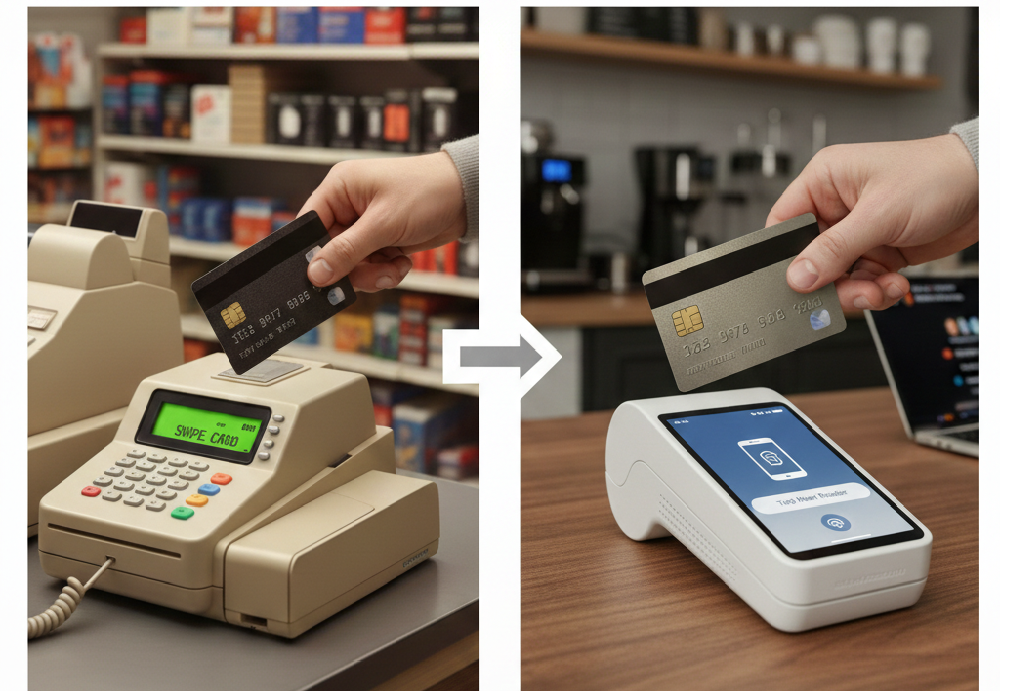
In the modern payment ecosystem, EMV (Europay, Mastercard, Visa) standards have become the global benchmark for secure card transactions, providing robust mechanisms for authentication, authorization, and risk management. One of the advanced features supported by EMV is Issuer Script Processing, a functionality that allows financial institutions and card issuers to remotely update, configure, or manage smart cards after a transaction.
Issuer Script Processing plays a pivotal role in ensuring the dynamic and secure management of payment cards, enabling issuers to modify application parameters, enforce risk management policies, and maintain compliance without requiring physical intervention. It is therefore a critical aspect evaluated during EMV Level 3 (L3) Certification, which focuses on verifying the transaction processing software of terminals and ensuring complete interoperability and compliance with EMVCo specifications.
Understanding Issuer Scripts
Issuer scripts are essentially commands or sets of instructions sent by the card issuer to the payment card via the POS terminal. These scripts allow issuers to perform remote operations such as updating card counters, modifying transaction limits, enabling or disabling certain card functionalities, or even blocking cards in cases of suspected fraud.
Key aspects of issuer scripts include:
- Issuer-controlled functionality: Only the card issuer can generate these scripts, while the terminal simply acts as a secure conduit.
- Transaction-based delivery: Scripts are typically sent during online transactions or as part of a deferred batch process.
- Secure execution: The EMV card itself executes the scripts, ensuring that sensitive operations are performed securely within the card’s secure element.
- Persistence: Scripts that cannot be executed immediately are stored securely by the terminal or card for later execution, ensuring reliability in future transactions.
Types of Issuer Scripts
Issuer scripts in EMV are categorized primarily based on their execution timing and purpose. Understanding these types is essential for terminal developers to ensure compliance with EMVCo testing procedures.
Script Classification by EMV
- Issuer Script 1 (IS1)
- Typically used to update card parameters such as application counters, key data, or cryptogram generation logic.
- Usually executed before the completion of the transaction, allowing immediate changes to the card application environment.
- Examples include updating application usage counters or modifying offline limits to reflect new spending thresholds.
- Issuer Script 2 (IS2)
- Primarily used for risk management or administrative tasks, such as blocking or unblocking cards, enabling/disabling interfaces, or modifying Terminal Action Codes (TACs).
- Executed after transaction authorization, often in offline or deferred processing scenarios.
- Provides issuers with the ability to dynamically manage card behavior without requiring cardholder intervention.
- Primarily used for risk management or administrative tasks, such as blocking or unblocking cards, enabling/disabling interfaces, or modifying Terminal Action Codes (TACs).
3.2 Execution Timing
- Immediate Execution: Scripts that must be executed during the current transaction to ensure the card is updated in real time.
- Deferred Execution: Scripts that cannot be executed immediately are securely stored either on the card or terminal and executed in the next eligible transaction. This ensures operational continuity even if the card is offline during certain periods.
The Issuer Script Workflow
Issuer Script Processing follows a structured sequence of events that ensures secure delivery and execution. The workflow is as follows:
- Transaction Initialization
- The card is presented to the terminal, either via chip insertion, contactless tap, or NFC wave.
- Terminal reads the Application Identifier (AID) and selects the appropriate EMV application.
- Offline Data Authentication (ODA)
- Terminal verifies the integrity of the card’s data through offline cryptography and checks for any inconsistencies or tampering.
- Terminal verifies the integrity of the card’s data through offline cryptography and checks for any inconsistencies or tampering.
- Transaction Authorization Request
- Terminal sends transaction details, including amounts, cryptograms, and card information, to the issuer or acquirer for authorization.
- Terminal sends transaction details, including amounts, cryptograms, and card information, to the issuer or acquirer for authorization.
- Issuer Script Generation by Issuer
- Based on risk management, fraud detection, or card update requirements, the issuer generates Issuer Script 1, Issuer Script 2, or both.
- Based on risk management, fraud detection, or card update requirements, the issuer generates Issuer Script 1, Issuer Script 2, or both.
- Delivery to Terminal
- Scripts are included in the authorization response message and securely transmitted back to the terminal.
- Scripts are included in the authorization response message and securely transmitted back to the terminal.
- Delivery to Card
- Terminal forwards the scripts to the card in strict sequence, ensuring that multiple scripts, if present, are executed in order.
- Terminal forwards the scripts to the card in strict sequence, ensuring that multiple scripts, if present, are executed in order.
- Execution by Card
- Card interprets and executes each script, performing operations like updating counters, modifying TACs, or enabling/disabling card features.
- The card generates a status byte or cryptogram to indicate successful execution or failure.
- Card interprets and executes each script, performing operations like updating counters, modifying TACs, or enabling/disabling card features.
- Storage of Unexecuted Scripts
- If the card cannot execute a script immediately (e.g., offline transaction), the terminal or card securely stores the script to ensure reliable execution during the next online transaction.
- If the card cannot execute a script immediately (e.g., offline transaction), the terminal or card securely stores the script to ensure reliable execution during the next online transaction.
Terminal Responsibilities in EMV L3 Certification
During EMV L3 Certification, the terminal’s ability to correctly handle issuer scripts is meticulously tested. The terminal must meet the following responsibilities:
- Detection and Parsing: The terminal must reliably detect issuer scripts in the authorization response and parse their content accurately.
- Sequence Management: Scripts must be delivered to the card in the exact order provided by the issuer to ensure proper execution.
- Error Handling: The terminal must appropriately manage failures, such as partial delivery or card rejection, and log errors for auditing purposes.
- Deferred Script Storage: Scripts that cannot be executed immediately must be stored securely and delivered reliably in subsequent transactions.
- Security Compliance: Sensitive scripts must be transmitted over secure channels, and the terminal must maintain data integrity and confidentiality.
Certification verifies that the terminal software adheres to these responsibilities under EMVCo testing scenarios.
Examples of Issuer Script Commands
Issuer scripts may include a variety of commands, depending on the issuer’s requirements. Some common examples include:
- Updating counters: Such as transaction counters or application usage counters.
- Changing offline spending limits: Adjusting cardholder transaction limits for offline transactions.
- Enabling or disabling interfaces: Turning on/off contact, contactless, or NFC capabilities.
- Blocking or unblocking the card: Temporarily disabling a card suspected of fraudulent activity.
- Updating TACs (Terminal Action Codes): Modifying risk management rules to control offline approvals, online authorizations, or declines.
- Key or cryptogram updates: Changing keys or cryptographic parameters used for secure transaction processing.
Each of these commands is executed within the secure environment of the EMV card, ensuring that sensitive operations are never exposed to the terminal or network.
EMV L3 Certification Test Cases for Issuer Scripts
To achieve EMV L3 Certification, terminals are tested against a variety of scenarios to ensure correct issuer script handling. Test cases include:
- Delivery Verification: Confirming that the terminal accurately delivers scripts received in authorization responses to the card.
- Execution Reporting: Ensuring that execution status is correctly captured and reported back to the issuer or acquirer.
- Error Handling: Validating terminal behavior when scripts fail or are only partially executed, ensuring transaction integrity is maintained.
- Deferred Script Handling: Verifying secure storage and correct delivery of deferred scripts during subsequent transactions.
- Multi-script Execution: Testing scenarios where multiple scripts are sent simultaneously to ensure proper sequencing and execution.
Successful execution of these test cases demonstrates that the terminal meets EMVCo standards and provides secure and reliable card management capabilities.
Challenges in Issuer Script Processing
Issuer Script Processing involves several technical challenges, which terminals must address to pass EMV L3 Certification:
- Partial or Corrupted Script Delivery: Scripts may be truncated or corrupted during transmission, leading to transaction failures.
- Timing Issues: Deferred scripts require precise timing for execution; failure to execute scripts during subsequent transactions may affect card behavior.
- Software Bugs: Terminal applications may fail to parse or deliver scripts correctly, especially when handling multiple scripts.
- Security Risks: Scripts are sensitive commands; any interception or tampering during delivery could compromise card security.
L3 testing ensures that these challenges are mitigated through proper software design, secure communication channels, and robust error handling.
Best Practices for Terminal Developers
To ensure seamless issuer script processing and successful L3 certification, terminal developers should follow these best practices:
- Validate Scripts Before Delivery: Check script structure and integrity to avoid card execution errors.
- Secure Storage for Deferred Scripts: Use encrypted storage to protect deferred scripts until they can be delivered.
- Logging and Auditing: Maintain detailed logs of script delivery, execution, and status reporting for compliance and debugging purposes.
- Test Across Multiple Card Types: Validate behavior on different EMV card brands and types to ensure interoperability.
- Use EMVCo-Approved Test Tools: Leverage certified test suites for simulation and verification of issuer script scenarios.
Issuer Script Processing is an essential component of EMV transaction processing, providing issuers with the ability to remotely manage card behavior, enforce security policies, and update transaction parameters. Proper handling of issuer scripts by terminals is a key focus area in EMV Level 3 Certification, ensuring that payment devices:
- Deliver scripts securely and reliably
- Report execution results accurately
Handle deferred or failed scripts effectively
Maintain the highest level of cardholder and issuer security
For OEMs, payment solution providers, and terminal developers, mastering issuer script processing and achieving L3 Certification demonstrates adherence to EMVCo standards, enabling interoperability, operational flexibility, and robust transaction security in global payment ecosystems.