As digital payments continue to replace cash-based transactions across global markets, organizations operating within the payment ecosystem are facing unprecedented pressure to secure sensitive financial data against increasingly sophisticated cyber threats. From large financial institutions and global merchants to fintech startups, payment gateways, SaaS platforms, and service providers, any organization that stores, processes, or transmits payment card information is exposed to significant security, regulatory, and reputational risks if proper controls are not implemented. This reality has made PCI DSS compliance not merely a contractual requirement imposed by card networks, but a fundamental pillar of modern payment security strategy.
The Payment Card Industry Data Security Standard (PCI DSS) serves as the globally recognized benchmark for protecting cardholder data and maintaining trust within the payment ecosystem. Defined and governed by the PCI Security Standards Council, PCI DSS establishes a comprehensive set of technical, operational, and governance controls that organizations must implement to reduce the likelihood of data breaches, fraud incidents, and systemic security failures.
At EazyPay Tech, we provide end-to-end PCI DSS compliance and EMV certification services, helping organization’s navigate the complexity of PCI requirements while transforming compliance into a long-term security advantage rather than a one-time audit exercise.
Understanding PCI DSS: Beyond Compliance Checklists
PCI DSS is often misunderstood as a static checklist or an annual audit obligation. In reality, it is a living security framework designed to continuously protect cardholder data throughout its lifecycle from the moment a transaction is initiated to how data is transmitted, processed, stored, accessed, and eventually retired. The standard applies universally to any organization that interacts with payment card data, regardless of size, geography, or industry sector.
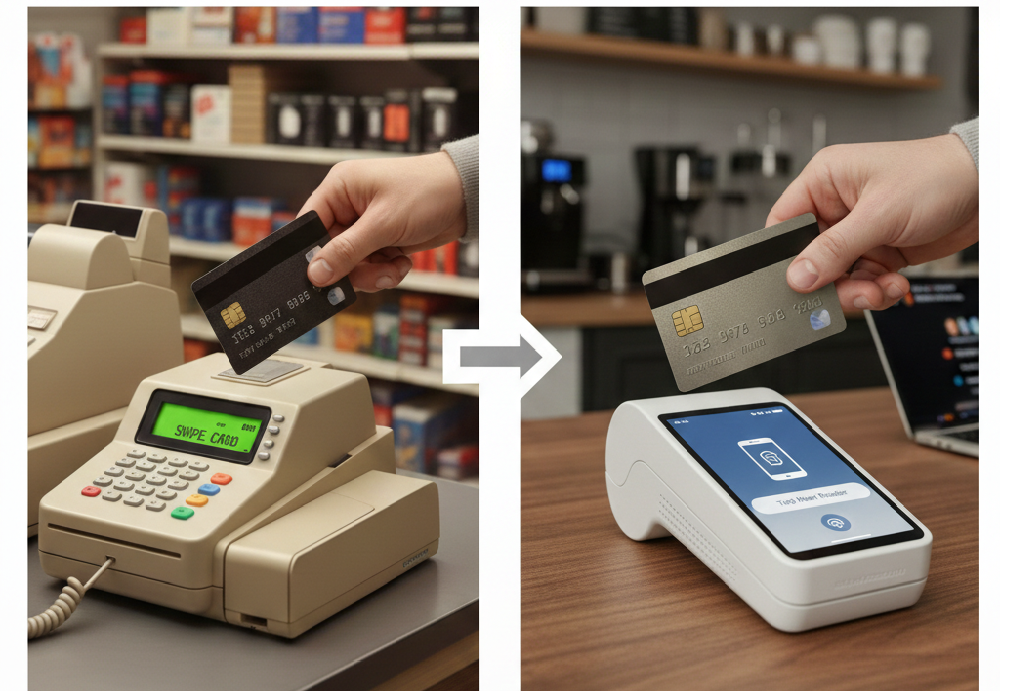
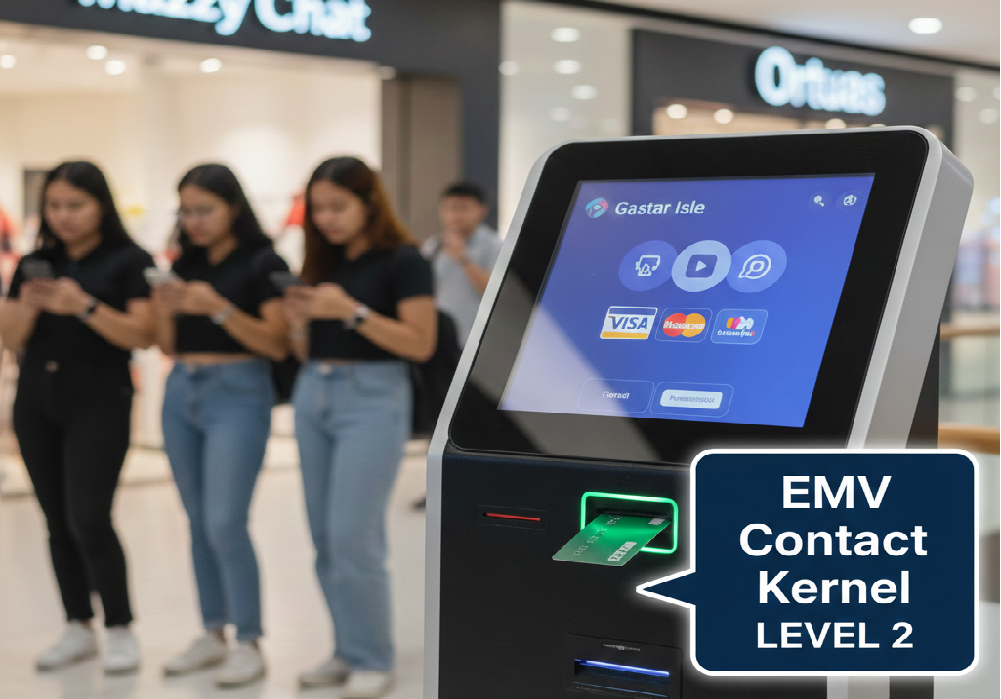
What makes PCI DSS particularly critical is that it addresses security from multiple dimensions simultaneously. Rather than focusing solely on technical controls such as firewalls or encryption, PCI DSS integrates people, process, and technology, ensuring that security responsibilities are embedded into organizational culture, system architecture, and operational workflows. This holistic approach is what allows PCI DSS to remain relevant even as payment technologies evolve from traditional POS terminals and ATMs to SoftPOS, mobile payments, cloud platforms, and API-driven payment infrastructures.
Why PCI DSS Compliance Is Mission-Critical for Businesses Today
The importance of PCI DSS compliance has intensified as cybercriminals increasingly target payment environments, exploiting weak access controls, misconfigured systems, outdated software, and poor monitoring practices. A single breach involving cardholder data can trigger a cascade of consequences, including regulatory scrutiny, contractual penalties, forensic investigations, mandatory remediation costs, loss of customer trust, and long-term brand damage.
PCI DSS compliance plays a critical role in mitigating these risks by enforcing security controls that significantly reduce attack surfaces and limit the impact of potential compromises. Beyond risk reduction, PCI DSS also delivers tangible business benefits. Certified organizations are viewed as more trustworthy by customers, partners, banks, and card networks, enabling smoother onboarding, expanded partnerships, and faster market entry particularly in regulated or high-risk payment environments.
From a strategic perspective, PCI DSS also strengthens an organization’s overall cybersecurity posture. Many of its requirements such as access control, logging, encryption, vulnerability management, and incident response align closely with broader security frameworks and data protection regulations. As a result, organizations that invest in PCI DSS compliance often find themselves better prepared to meet additional regulatory obligations and security certifications.
The Structure of PCI DSS: A Layered Security Framework
The standard includes 12 foundational requirements structured under six control objectives. These requirements form the backbone of the PCI DSS framework:
The 12 PCI DSS Requirements Explained in Structured Steps
The PCI DSS framework is built around 12 essential security requirements, each representing a distinct control that collectively protects cardholder data across networks, systems, applications, and operational processes. These steps work together to create a layered and resilient security posture.
- Install and maintain firewalls to protect cardholder data
Organizations must deploy properly configured firewall controls to establish secure boundaries between trusted internal networks and untrusted external environments, ensuring that cardholder data systems are shielded from unauthorized network access. - Eliminate vendor-supplied default passwords and system settings
All default credentials, configurations, and security parameters provided by vendors must be changed before systems are deployed, as default settings are widely known and frequently exploited by attackers. - Protect stored cardholder data
Sensitive payment data must be safeguarded using strong encryption, truncation, masking, or tokenization, and retained only when strictly necessary to reduce the risk and impact of data compromise. - Encrypt transmission of cardholder data over public networks
Whenever cardholder data is transmitted across public or untrusted networks, it must be protected using strong cryptographic protocols to prevent interception, manipulation, or unauthorized disclosure. - Deploy and maintain anti-malware protection
Organizations must use up-to-date anti-virus or equivalent malware detection solutions on all relevant systems to identify, prevent, and mitigate malicious software that could compromise payment environments. - Develop and maintain secure systems and applications
Security must be embedded into system configuration and software development processes through secure coding practices, timely patching, vulnerability management, and regular security updates. - Restrict access to cardholder data on a need-to-know basis
Access to sensitive payment data must be limited strictly to individuals whose job responsibilities require it, reducing the risk of internal misuse or accidental exposure. - Assign unique user IDs to all individuals with access
Each user accessing systems that handle cardholder data must be assigned a unique identifier, ensuring accountability and enabling accurate tracking of user actions. - Restrict physical access to cardholder data environments
Physical access to facilities, systems, and devices that store or process cardholder data must be controlled and monitored to prevent unauthorized entry, tampering, or theft. - Track and monitor all access to network resources and cardholder data
Organizations must implement logging and monitoring mechanisms that record all access to critical systems and data, enabling timely detection and investigation of suspicious activities. - Regularly test security systems and processes
Security controls must be tested on an ongoing basis through vulnerability scans, penetration testing, and control validation to ensure continued effectiveness against evolving threats. - Maintain an information security policy
A formal, documented information security policy must be established, communicated, and enforced across the organization to define security responsibilities, acceptable use, and compliance expectations.
Each requirement creates a layer of defense designed to stop specific attack vectors and ensure security best practices across people, process, and technology.
PCI DSS Compliance Levels: Understanding Your Obligations
PCI DSS Level 1: High-Volume and High-Risk Merchants
Organizations classified under PCI DSS Level 1 typically process more than six million card transactions per year across all channels, including in-store, online, and mobile payments. Due to the sheer volume of transactions and the heightened risk associated with large-scale cardholder data environments, Level 1 merchants are subject to the most stringent compliance requirements under the PCI DSS framework.
These organizations are required to undergo a comprehensive onsite assessment conducted by a Qualified Security Assessor (QSA), who independently evaluates the effectiveness of security controls across the entire cardholder data environment. The assessment results in a formal Report on Compliance (ROC), supported by an Attestation of Compliance (AOC), which must be submitted to acquiring banks and card brands. In addition to the annual audit, Level 1 entities must also perform quarterly external vulnerability scans through an Approved Scanning Vendor (ASV) and maintain continuous compliance throughout the year.
PCI DSS Level 2: Mid-Scale Merchants with Moderate Transaction Volumes
Level 2 organizations typically process between one million and six million card transactions annually, representing a significant but comparatively lower risk profile than Level 1 merchants. While these organzations are not always required to undergo a full onsite audit, they are still expected to demonstrate robust security controls and consistent adherence to PCI DSS requirements.
Compliance at this level is generally validated through the completion of an appropriate Self-Assessment Questionnaire (SAQ), which allows the organization to attest to its compliance status based on its specific payment environment and transaction model. This self-attestation must be supported by quarterly vulnerability scans and, in some cases, additional evidence requested by acquiring banks. Although the assessment methodology is less intensive than Level 1, the expectations for security maturity and documentation accuracy remain high.
PCI DSS Level 3: E-Commerce-Focused Merchants
Organizations falling under PCI DSS Level 3 typically process 20,000 to one million e-commerce transactions per year. While transaction volumes are lower than Level 2, the online nature of these transactions introduces unique risks related to web applications, APIs, third-party integrations, and cloud infrastructure.
Level 3 merchants are required to complete a relevant Self-Assessment Questionnaire (SAQ) tailored to their e-commerce payment flow, ensuring that security controls adequately protect cardholder data across digital channels. As with higher levels, quarterly vulnerability scanning is mandatory, and organizations must maintain sufficient documentation to demonstrate compliance. Given the prevalence of web-based attacks targeting e-commerce platforms, Level 3 entities must pay particular attention to application security, secure coding practices, and continuous monitoring.
PCI DSS Level 4: Small Merchants and Low-Volume Transaction Environments
Level 4 merchants process fewer than 20,000 e-commerce transactions annually, or less than one million total card transactions across all channels. Although these organizations operate at a smaller scale, they are not exempt from PCI DSS requirements. Cardholder data protection remains mandatory regardless of transaction volume, and acquiring banks may impose specific validation requirements based on risk assessments.
Level 4 compliance is typically demonstrated through an annual Self-Assessment Questionnaire (SAQ), with quarterly vulnerability scans strongly encouraged and, in many cases, contractually required. While the compliance process may appear simpler, smaller organizations often face challenges due to limited internal security resources, making expert guidance critical to avoiding common compliance gaps and misconfigurations.
Why Accurate PCI Level Classification Matters
Understanding and correctly applying the appropriate PCI DSS compliance level is essential because it directly determines how compliance is validated, what documentation is required, and the level of scrutiny applied by auditors and acquiring banks. Organizations that underestimate their level risk non-compliance findings, financial penalties, or forced remediation under tight timelines. Conversely, overestimating requirements can lead to unnecessary complexity and cost.
The PCI DSS Compliance Process: Step by Step
While achieving PCI DSS compliance may appear complex due to its technical and operational depth, it follows a structured and well-defined lifecycle when approached methodically. At EazyPay Tech, we support organizations at every stage of this journey, ensuring that all compliance requirements are addressed accurately, efficiently, and in alignment with business operations.
1. Scoping and Gap Analysis
The compliance process begins with a detailed assessment of the organization’s payment card environment to identify where cardholder data is stored, processed, or transmitted, and how it moves across systems, networks, and third-party integrations. This scoping exercise establishes the true compliance boundary and helps determine the organisation’s current alignment with PCI DSS requirements, highlighting specific gaps that must be remediated.
2. Documenting Cardholder Data Flow
Accurate documentation of cardholder data flows is a critical foundation for PCI DSS compliance. This step involves mapping payment gateways, processors, applications, databases, and infrastructure components to clearly understand data entry points, processing paths, and storage locations. Well-defined data flow diagrams enable precise placement of security controls and reduce the risk of overlooked exposure points.
3. Risk Assessment and Control Scoping
In collaboration with IT, security, and operational teams, a focused risk assessment is conducted to identify potential threats, vulnerabilities, and attack vectors affecting the cardholder data environment. This analysis helps prioritise risks and ensures that security controls are appropriately scoped, risk-based, and aligned with PCI DSS expectations.
4. Implementing PCI DSS Controls
Based on the findings from the gap analysis and risk assessment, the required technical, procedural, and administrative controls are implemented. These controls typically include network segmentation, encryption mechanisms, firewall configurations, access controls, authentication systems, logging, monitoring, and vulnerability management processes necessary to meet PCI DSS requirements.
5. Documentation and Policy Development
PCI DSS places strong emphasis on formal documentation and governance. During this phase, organizations develop and refine mandatory policies and procedures, including access control policies, incident response plans, data retention policies, and security awareness guidelines. Proper documentation ensures consistency, accountability, and audit readiness.
6. Internal Audit and Control Testing
Before proceeding to formal validation, internal reviews and control testing are performed to confirm that all implemented measures are functioning effectively and consistently over time. This step helps identify residual gaps early, allowing corrective actions to be taken before external assessment.
7. External Audit and Certification
The final stage involves an independent assessment conducted by a Qualified Security Assessor (QSA), who reviews evidence, validates controls, and inspects systems to confirm compliance with PCI DSS requirements. Upon successful completion, the organization receives formal validation in the form of a Report on Compliance (ROC) or an Attestation of Compliance (AOC), serving as official proof of PCI DSS compliance to banks, partners, and card networks.
PCI DSS as an Ongoing Security Program, Not a One-Time Audit
One of the most common misconceptions about PCI DSS is that compliance ends once certification is achieved. In reality, PCI DSS explicitly requires continuous compliance, meaning that security controls must remain effective throughout the year, not just during audit periods.
Ongoing activities such as quarterly vulnerability scans, regular penetration testing, continuous log monitoring, access reviews, patch management, and employee security training are essential to maintaining compliance. Any significant change to systems, infrastructure, or payment flows can impact compliance scope and must be assessed proactively.
By treating PCI DSS as an ongoing security program rather than a periodic audit, organizations not only remain compliant but also significantly reduce their exposure to emerging threats and operational disruptions.
At EazyPay Tech, we provide comprehensive PCI DSS services designed to support organizations at every stage of their compliance journey. Our approach combines deep technical expertise with practical industry experience, ensuring that compliance efforts are aligned with real-world business operations rather than theoretical checklists.
Our services include PCI DSS gap assessments, remediation planning, technical implementation support, policy and documentation development, internal readiness assessments, audit coordination, and post-certification compliance management. We work closely with merchants, payment service providers, fintech’s, OEMs, and banks, tailoring our approach to each organization’s unique risk profile, transaction model, and regulatory environment.
By partnering with EazyPay Tech, organizations gain more than just compliance they gain a trusted security advisor capable of translating complex PCI DSS requirements into actionable, sustainable security outcomes.
PCI DSS compliance is no longer optional, nor is it merely a regulatory hurdle to overcome. In today’s digital payment landscape, it represents a foundational element of trust, resilience, and competitive differentiation. Organizations that approach PCI DSS strategically embedding it into their security culture and operational framework are far better positioned to protect their customers, partners, and brand reputation.
With the right expertise and guidance, PCI DSS compliance can move beyond audit preparation and become a powerful enabler of secure growth. At EazyPay Tech, we are committed to helping organizations achieve, maintain, and maximize the value of PCI DSS compliance securely, efficiently, and with confidence.